Class A office building amenities: why wellness amenities are the new standard
The commercial real estate landscape is evolving. Class A office buildings are no longer defined by sleek lobbies or high-speed elevators alone — wellness amenities are now essential to attracting and retaining top tenants.
What was once a “nice-to-have” is now a business imperative. Tenants expect spaces that support physical and mental well-being. Properties that fall short risk losing their competitive edge in the marketplace.
The shift in tenant expectations
Modern tenants look beyond location and square footage. They ask:
- Does this building promote health and productivity?
- How does it support movement, stress reduction and access to natural light?
This shift reflects a growing recognition that the workplace environment directly influences performance, satisfaction and retention. Companies that invest in wellness-focused spaces see clear returns, from reduced absenteeism to higher productivity and stronger talent attraction.
Wellness amenities that set Class A properties apart
These wellness areas are redefining what tenants expect from a Class A office building:
Fitness and movement
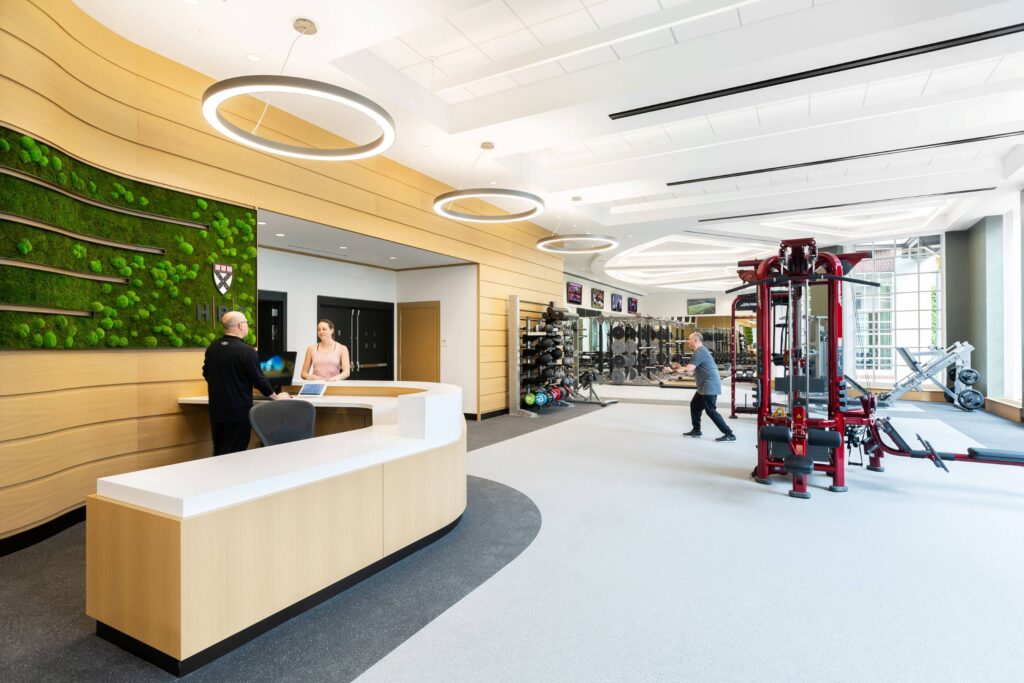
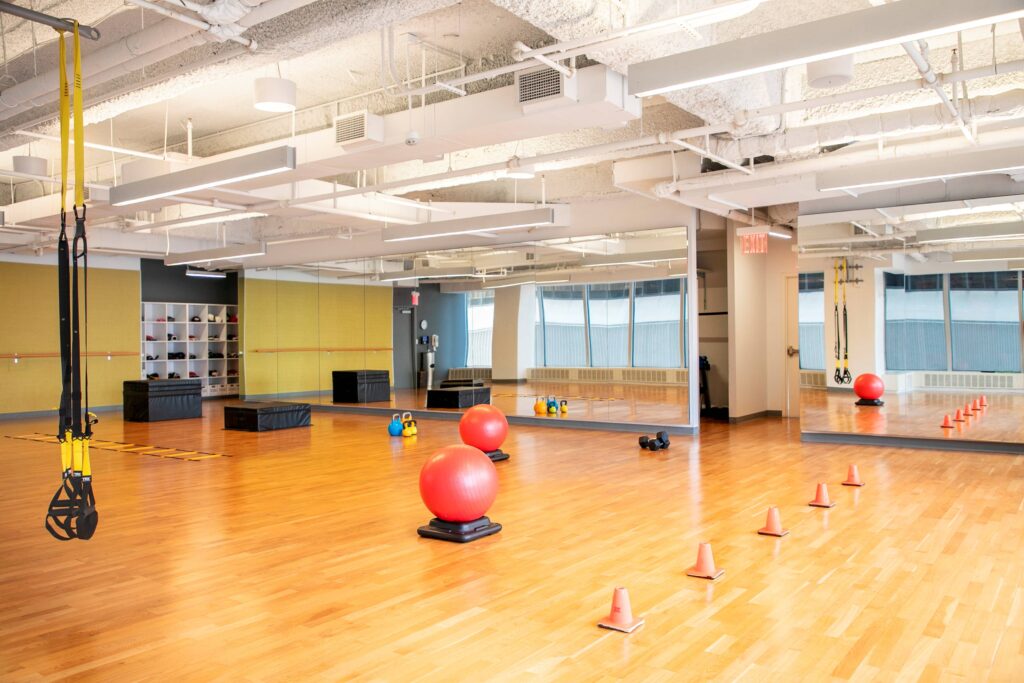
Today’s fitness offerings go far beyond a basement gym. Think state-of-the-art fitness centers, yoga studios, outdoor exercise spaces, and bike storage with repair stations. Even staircases and active meeting areas are designed to encourage movement throughout the day.
Mental health and stress management
Quiet zones, meditation rooms and biophilic design elements create calming spaces where employees can reset. Natural materials, greenery and water features help bring a sense of balance to otherwise busy workdays.
Nutrition and food services
Healthy dining options, hydration stations and wellness cafés with locally sourced meals are becoming standard. Some properties even go a step further by offering access to on-site nutritionists.
Air quality and environmental controls
Advanced HVAC systems now monitor and optimize air quality in real time, giving tenants greater confidence in the health of their environment.
The business case for wellness amenities
Buildings with strong wellness offerings command higher rents, maintain stronger occupancy and attract long-term leases. Tenant companies benefit as well, seeing improvements in employee satisfaction, reduced sick days and easier recruitment.
Wellness investments also future-proof properties. As health and work-life balance continue to shape tenant expectations, buildings that lack these features risk falling behind.
Designing for well-being
Architects and property owners working on Class A buildings need to incorporate wellness early in the design process — considering light, ventilation and flexible layouts that can evolve over time. Effective integration also requires close collaboration between architects, property owners and wellness experts to ensure spaces feel natural and intuitive rather than forced or clinical.
Flexibility is essential. Wellness-focused spaces should adapt to shifting needs and emerging trends. This often means designing multipurpose rooms that can function as yoga studios, meditation spaces or small group fitness areas, depending on tenant priorities.
Implementation and measurement
Wellness isn’t a one-time upgrade — it’s an ongoing commitment to creating environments where people can thrive. Begin with high-impact improvements such as air quality monitoring and enhanced lighting, then use tenant feedback to guide future enhancements. Track metrics like occupancy, lease renewals and satisfaction scores to measure the return on investment.
Looking ahead
Wellness amenities will continue evolving as our understanding of workplace health deepens. In Class A office buildings, emerging trends — such as circadian lighting, advanced ergonomics and tech-enabled wellness tracking — are raising the bar for what tenants expect. Property owners who embrace this evolution position themselves as leaders in the commercial real estate market, creating spaces that do more than house businesses — they actively support the success, satisfaction and well-being of the people who work there.
Ready to elevate your property with wellness-driven amenities? Connect with Optum Workplace Well-being to design spaces that can help people and businesses thrive.