Wellness leasing strategy: what tenants want in 2025
Your next lease renewal conversation might depend more on your wellness amenities than your square footage. As companies reshape their return-to-office strategies, a wellness leasing strategy has become the deciding factor for many organizations choosing where to establish their operations. The commercial real estate landscape has shifted dramatically, with tenants prioritizing employee well-being over traditional perks like prime locations or impressive lobbies.
Gone are the days when a good coffee machine and free parking could seal the deal. Modern tenants are asking pointed questions about air quality systems, natural light optimization, fitness facilities and mental health support spaces. They understand that their lease decision directly impacts employee satisfaction, retention and productivity.
The new tenant wish list
Property managers and landlords are discovering that wellness features can command premium rents and longer lease terms. Tenants are specifically seeking spaces that support both physical and mental well-being. Natural light has become non-negotiable, with companies willing to pay significantly more for properties that maximize daylight exposure throughout the workday.
Air quality ranks equally high on tenant priority lists. Advanced HVAC systems with real-time air quality monitoring aren’t just a nice-to-have feature anymore — they’re essential requirements. Companies have learned that poor indoor air quality directly correlates with increased sick days and decreased cognitive performance.
Movement-friendly design elements are reshaping floor plans. Tenants want spaces that encourage physical activity through strategically placed staircases, walking paths and collaboration areas that require movement between zones. These design choices support the growing understanding that sedentary work environments contribute to both physical health issues and mental fatigue.
Wellness amenities that drive leasing decisions
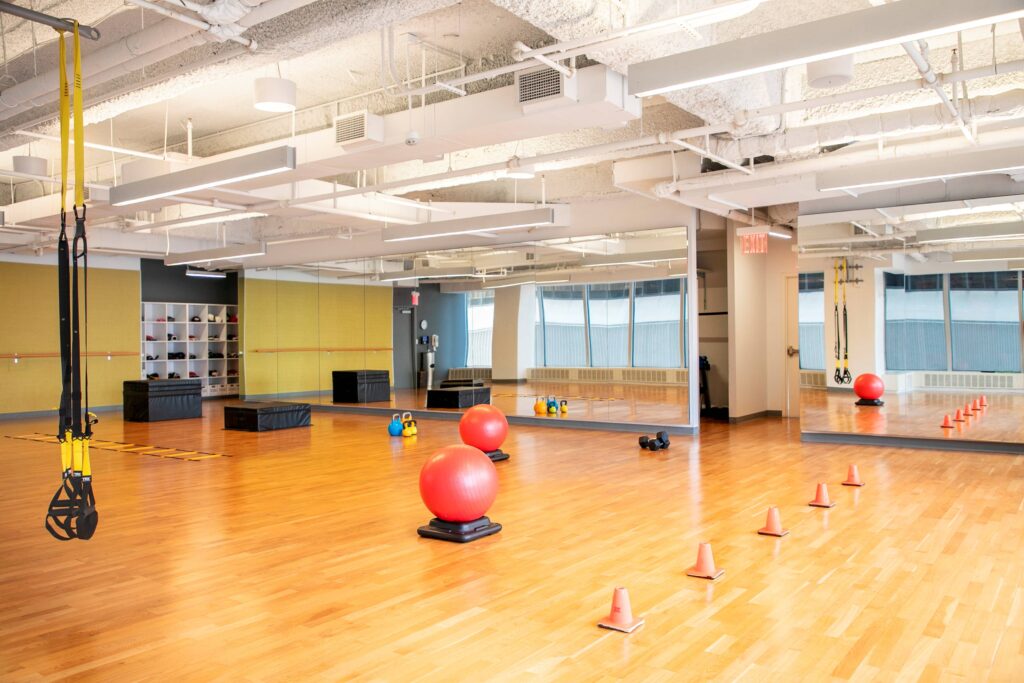
Fitness facilities within buildings have evolved beyond basic gym equipment. Tenants are looking for comprehensive wellness centers that include yoga studios, meditation rooms and spaces for group fitness classes. However, the approach to implementing a wellness leasing strategy must go deeper than surface-level amenities.
Biophilic design elements (incorporating nature into the workspace) have proven their worth in tenant retention. Living walls, indoor gardens and water features create environments that reduce stress and improve focus. These features appeal to tenants who recognize the connection between natural elements and employee well-being.
Quiet zones and privacy pods address the mental health component of workplace wellness. Open office designs of the past decade created collaboration opportunities but often at the expense of individual focus and stress management. Smart tenants are seeking spaces that balance collaboration with solitude.
Technology integration supports wellness goals through building apps that track air quality, book wellness amenities and provide health resources. Properties offering seamless technology experiences attract tenants who value convenience and data-driven wellness insights.
Mental health support in physical spaces
The conversation around workplace mental health has moved from awareness to action. Tenants are evaluating how physical spaces can support psychological well-being. This includes dedicated quiet spaces for decompression, phone booths for private conversations and flexible spaces that can be reconfigured based on daily needs.
Color psychology and lighting design play crucial roles in creating mentally supportive environments. Tenants understand that harsh fluorescent lighting and sterile color schemes contribute to workplace stress and decreased motivation. Properties offering customizable lighting systems and thoughtfully designed color palettes have a competitive advantage in lease negotiations.
The ROI of wellness-focused leasing
Smart property owners are discovering that wellness investments pay dividends through higher occupancy rates and premium rents. Tenants willing to pay more for wellness-enhanced spaces typically sign longer leases, reducing vacancy periods and marketing costs.
The return on investment extends beyond immediate rental income. Properties with strong wellness reputations attract higher-quality tenants who take better care of their spaces and contribute to positive building communities. These tenants often become brand ambassadors, referring other wellness-focused companies to the property.
Building community through shared wellness
Successful wellness leasing strategies recognize that individual tenant amenities are only part of the equation. Building-wide wellness programming creates communities that tenants value. Shared wellness initiatives like group fitness challenges, mental health workshops and nutritional education sessions foster connections between different companies in the same building.
These community-building efforts reduce tenant turnover by creating emotional connections to the space that go beyond the physical lease agreement. Companies are more likely to renew leases when their employees have formed meaningful relationships within the building community.
Implementing your wellness approach
Property managers should begin by conducting wellness audits of their current spaces. This involves evaluating air quality systems, natural light availability and opportunities for physical movement. Small improvements like adding plants, upgrading lighting or creating flexible spaces can immediately enhance a property’s appeal to wellness-focused tenants.
Partnerships with wellness service providers can offer tenants access to programs without requiring significant property modifications. Optum Workplace Well-being provides comprehensive solutions that can transform any space into a wellness-supportive environment, helping property managers meet tenant demands while managing costs effectively.
The most successful implementations of wellness leasing strategies focus on creating authentic wellness cultures rather than simply checking off boxes. Tenants can distinguish between genuine wellness commitments and superficial marketing efforts. Your approach should demonstrate a real understanding of how physical environments impact human well-being.
Ready to explore how wellness can transform your leasing strategy? Connect with our team to discover customized solutions that can help attract and retain tenants who value employee well-being. Contact us to start building your competitive advantage through strategic wellness implementation.