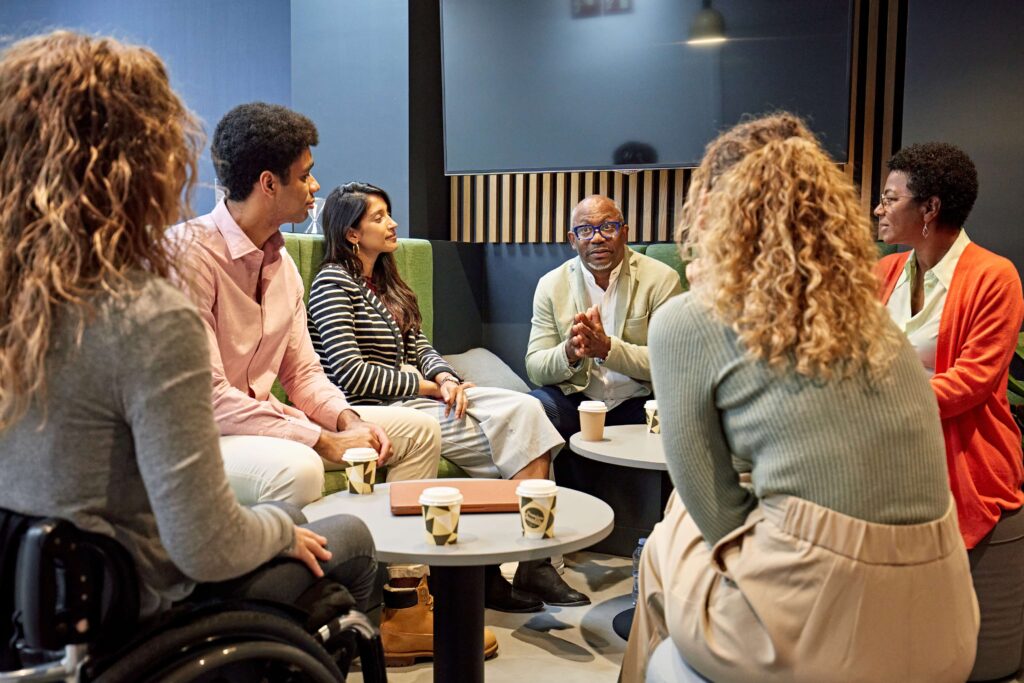
How to create an effective return-to-office strategy?
Returning to the office is more than a logistical shift, it’s an opportunity to create environments that support flexibility, collaboration and well-being. A thoughtful return-to-office strategy helps employees feel valued and equipped to thrive.
Understanding what employees need
Remote work reshaped expectations around flexibility, autonomy and work-life balance. Employees discovered rhythms that worked for their lives — avoiding long commutes, spending more time with family, and creating personalized workspaces. Recognizing these shifts is essential when bringing people back together.
Listening comes first. Surveys, focus groups and open conversations reveal what matters most. Some employees worry about commute costs and time; others face childcare or elder care challenges. Many simply value the flexibility they’ve grown accustomed to. Understanding these realities helps organizations design solutions that address them.
Creating flexible frameworks that work
Rigid mandates rarely lead to positive outcomes. A successful return-to-office strategy recognizes that roles and individuals have different needs.
Hybrid models often provide the balance employees seek, combining in-person collaboration with remote flexibility. Research supports this approach: a Nature journal study found hybrid schedules reduced resignation rates by one-third among non-managers, women and long-distance commuters, without harming performance.
Physical workspace design matters too. Spaces that support collaboration, quiet focus and informal connection help employees work effectively. Comfortable environments with natural light, ergonomic furniture and thoughtful amenities demonstrate an investment in well-being.
Supporting mental and emotional health
Transitions can stir up stress and anxiety. Some employees feel energized by reconnecting; others feel apprehensive. Both responses are valid.
Mental health support is critical during change. According to Gallup’s State of the Global Workplace: 2024 Report, 41 percent of employees report experiencing “a lot of stress” during their previous workday. Access to counseling, stress management tools and resilience training helps employees navigate uncertainty, while normalizing conversations about mental health fosters a culture where seeking support feels safe.
Managers play a vital role during transitions. Regular check-ins, empathetic listening and flexibility build trust. Simple gestures like acknowledging commuting challenges, celebrating small wins, and offering accommodations signal care and strengthen connection.
Fostering connection and community
One advantage of in-person work is the chance to rebuild social capital. Informal interactions — coffee chats, team huddles, shared lunches — strengthen bonds in ways virtual meetings cannot.
The Microsoft Work Trend Index found 84 percent of employees would return to the office if it meant socializing with co-workers. Organizations can encourage this through intentional programming: team-building activities, social events and collaborative spaces make connection seem easy and natural.
Prioritizing physical well-being
Returning to the office brings renewed focus on physical health. Commuting, prolonged sitting and routine-changes can impact wellness. Organizations that make healthy habits easy see gains in energy and morale. On-site wellness offerings — fitness facilities, healthy food options, movement breaks and ergonomic assessments — signal that physical health is a priority. Even minor changes like standing desks, walking meetings and outdoor spaces contribute to a culture of well-being.
Measuring what matters for your return-to-office strategy
How do you know if your approach is working? Feedback loops provide insight. Pulse surveys, engagement metrics and open dialogue reveal what’s effective and what needs adjustment. Attrition rates, productivity measures and utilization of well-being resources offer additional data points.
Flexibility in response to feedback demonstrates genuine care. When employees see their input reflected in decisions, trust deepens and engagement grows.
Moving forward together
Successful workplace transitions happen when organizations approach them as a shared journey. The return to physical workspaces offers opportunities to reimagine how work happens, strengthen connections and build cultures that prioritize well-being.
At Optum, we help organizations design return-to-office strategies that support mental health, flexibility and meaningful collaboration. Contact our team to learn how Optum Workplace Well-being can guide your organization through this transition and beyond.
Sources: