Flexible wellness solutions: creating inclusive health programs for multi-tenant properties
Creating wellness programs that work for everyone sounds challenging when you’re managing a multi-tenant property. Different companies have different needs, budgets and employee demographics. The good news? Flexible wellness solutions can bridge these gaps, making health and well-being accessible to every tenant while maximizing your property’s value.
Multi-tenant environments present unique opportunities to foster community wellness while respecting each organization’s distinct culture and requirements. Smart property managers are discovering that adaptable wellness programs not only attract quality tenants but also improve retention rates and overall satisfaction.
Understanding the multi-tenant wellness challenge
Each tenant in your building brings their own wellness priorities. A tech startup might prioritize mental health resources and flexible fitness options, while a law firm could focus on stress management and ergonomic solutions. A manufacturing company might emphasize injury prevention and physical therapy access.
The traditional approach of offering one-size-fits-all amenities often leaves tenants feeling underserved. Empty fitness centers and unused wellness rooms become costly reminders that generic solutions rarely create lasting engagement.
Building adaptable wellness infrastructure
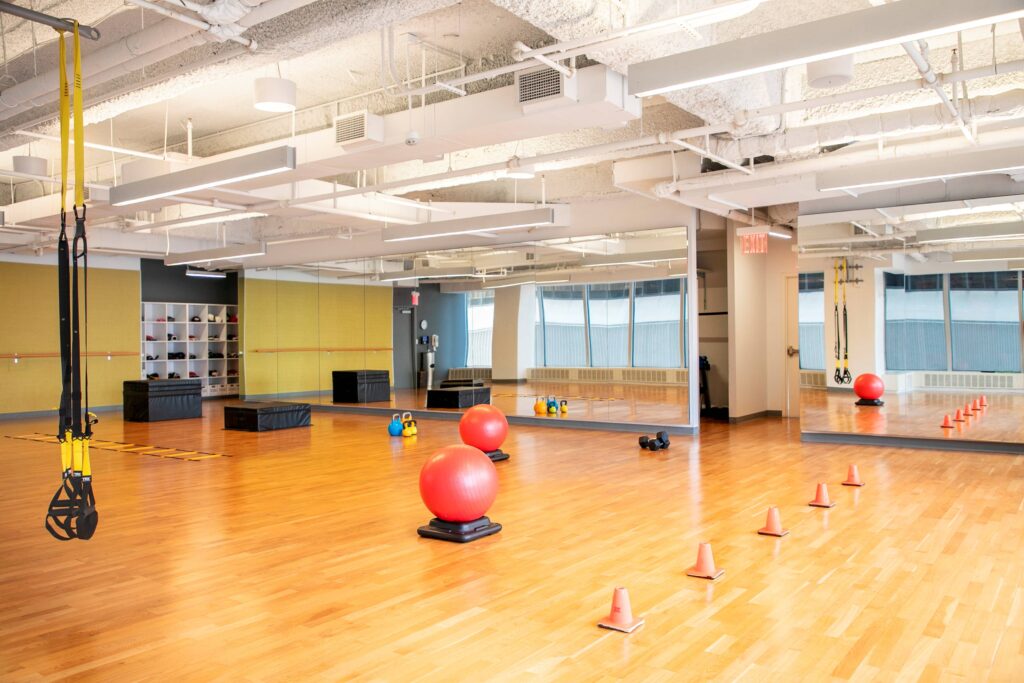
The foundation of successful multi-tenant wellness starts with flexible physical spaces. Consider designing wellness areas that can transform based on tenant needs and scheduling requirements.
Modular fitness spaces work particularly well. These areas can accommodate everything from yoga classes to high-intensity training sessions simply by adjusting equipment and layout. Quiet zones for meditation or mental health breaks can double as private consultation spaces for nutrition counseling or health screenings.
Technology integration amplifies this flexibility. Smart scheduling systems allow different tenants to book specialized wellness activities without conflicts. Mobile apps can deliver personalized wellness content that speaks to diverse employee populations across multiple organizations.
Implementing scalable wellness programming
Flexible wellness solutions shine when programming adapts to tenant participation levels and interests. Start with core offerings that appeal broadly — stress management workshops, basic fitness classes and health screenings typically generate consistent interest across industries.
Layer on specialized programming based on tenant feedback and participation data. If several tenants show interest in mental health support, expand those offerings. When physical fitness gains traction, add more varied workout options.
Consider creating wellness tracks that tenants can mix and match. A “Stress Less” track might include mindfulness sessions, time management workshops and relaxation spaces. A “Move More” track could feature fitness classes, walking groups and ergonomic assessments.
Creating community through shared wellness goals
Multi-tenant properties have a unique advantage: built-in community potential. Wellness challenges that span multiple tenants can create positive connections while respecting individual company cultures.
Step challenges work particularly well because they require minimal coordination but generate significant engagement. Healthy recipe exchanges, wellness lunch-and-learns and seasonal fitness events help tenants connect over shared health interests.
These community-building activities often become selling points for prospective tenants who value workplace culture and employee engagement opportunities.
Measuring success across diverse tenant needs
Effective measurement requires looking beyond simple participation numbers. Track tenant retention rates, wellness space utilization and feedback quality to understand your program’s true impact.
Regular tenant surveys reveal which wellness offerings drive the most value and where gaps exist. Anonymous feedback systems encourage honest input about program effectiveness and desired improvements.
Property-level metrics matter too. Reduced maintenance requests, fewer noise complaints and increased lease renewals often correlate with successful wellness programming that keeps tenants satisfied and engaged.
Making wellness accessible and inclusive
Accessibility goes beyond physical accommodations. Flexible wellness solutions must consider varying work schedules, cultural differences and personal comfort levels with different types of wellness activities.
Offer programming at multiple times to accommodate different shifts and work patterns. Provide both group and individual wellness options to respect varying social preferences. Include culturally diverse wellness practices that honor your tenant community’s backgrounds.
Financial accessibility matters too. Partner with health insurance providers to subsidize programming costs or create tiered pricing that allows all tenants to participate regardless of budget constraints.
Technology as a wellness equalizer
Digital wellness platforms can level the playing field for smaller tenants who might not have robust internal wellness programs. These tools provide 24/7 access to health resources, fitness content and mental health support.
Wearable device integration encourages participation through friendly competition and personal progress tracking. Virtual wellness coaching extends professional support to employees who might not otherwise access these services.
Data analytics help property managers understand which digital offerings resonate most with different tenant demographics, enabling continuous program refinement.
Planning for long-term wellness success
Sustainable wellness programs evolve with tenant needs and industry trends. Build flexibility into vendor contracts and space designs to accommodate future changes without major disruptions.
Regular program audits help identify underperforming elements and emerging opportunities. Stay connected with tenant HR departments to understand how workplace wellness priorities shift over time.
Consider seasonal programming adjustments that keep offerings fresh and relevant. Winter might emphasize mental health support and indoor activities, while summer could focus on outdoor challenges and nutrition education.
Smart property managers recognize that flexible wellness solutions create competitive advantages that extend far beyond traditional amenities. These programs position properties as forward-thinking partners in tenant success rather than simple space providers.
Ready to transform your property’s wellness potential?
Your multi-tenant property has everything it takes to become a wellness destination that tenants value and prospects seek out. Ready to explore how Optum Workplace Well-being can help you design wellness solutions that work for everyone? Contact our team to start building your customized wellness strategy.