Low-maintenance corporate wellness spaces that actually work for busy teams
Creating wellness spaces that employees love doesn’t require constant upkeep or a dedicated facilities team. The most successful workplace wellness initiatives often start simple and grow naturally with your team’s needs. When you focus on low-maintenance corporate wellness solutions, you’re setting up sustainable support systems that can thrive alongside your business priorities.
Smart companies are discovering that the secret to lasting employee engagement doesn’t lie in elaborate fitness centers or complex programs, but in thoughtfully designed spaces that invite regular use without demanding constant attention. These environments become natural gathering spots where wellness happens organically.
Why simple wellness spaces outperform complex ones
You’ve probably seen fancy corporate gyms that sit empty after the first month. The reason is simple: elaborate facilities require ongoing maintenance, scheduled classes and dedicated staff to keep them running smoothly. When resources get tight or priorities shift, these spaces often become expensive storage rooms.
Effective wellness spaces work differently. They’re designed around human behavior rather than impressive amenities. A quiet corner with comfortable seating, good lighting and a few plants can serve as a meditation space without any formal programming. A walking path through your office or around your building costs nothing to maintain but provides daily opportunities for movement and fresh air.
The key is creating environments that support wellness activities people already want to do, rather than trying to introduce completely new behaviors that require ongoing motivation and supervision.
Here are some important considerations when developing a low-maintenance space:
Essential elements of self-sustaining wellness areas
Flexibility comes first
The best wellness spaces adapt to different needs throughout the day. A quiet room can serve as a meditation space in the morning, a place for stretching during lunch breaks and a peaceful spot for phone calls in the afternoon. Multi-purpose areas maximize your investment while minimizing the need for specialized equipment or set-up.
Natural elements that maintain themselves
Plants, natural lighting and views of the outdoors create calming environments that practically maintain themselves. Hardy indoor plants don’t require a lot of care but significantly improve air quality and visual appeal. Large windows or skylights eliminate the need for mood lighting while connecting people to the natural rhythm of the day.
Technology that works behind the scenes
Simple additions like white noise machines, air purifiers or even basic speakers connected to a meditation app can enhance your space without requiring daily management. Choose reliable, plug-and-play solutions that team members can operate independently.
Low-maintenance corporate wellness strategies that build momentum
Start with what you have
Look around your current space with fresh eyes. That unused conference room could become a quiet retreat with just some comfortable furniture and softer lighting. The stairwells you already have can become walking routes with simple motivational signage. Your parking lot can host walking groups without any infrastructure changes.
Build on existing habits
Notice where people naturally gather for informal conversations and enhance them with wellness elements rather than creating entirely new spaces. Add a few yoga mats to a naturally quiet area or place a water station where people already take breaks.
Creating wellness environments that evolve naturally
Successful wellness spaces grow with your team’s interests and needs. Start small and pay attention to how people actually use the space. You might discover that your intended meditation area becomes a popular spot for collaborative work or that employees prefer walking meetings to sitting in the wellness room.
This organic evolution is exactly what you want. When people naturally adapt spaces to meet their wellness needs, you know you’ve created something genuinely useful rather than just checking a box for your benefits package.
Equipment that lasts
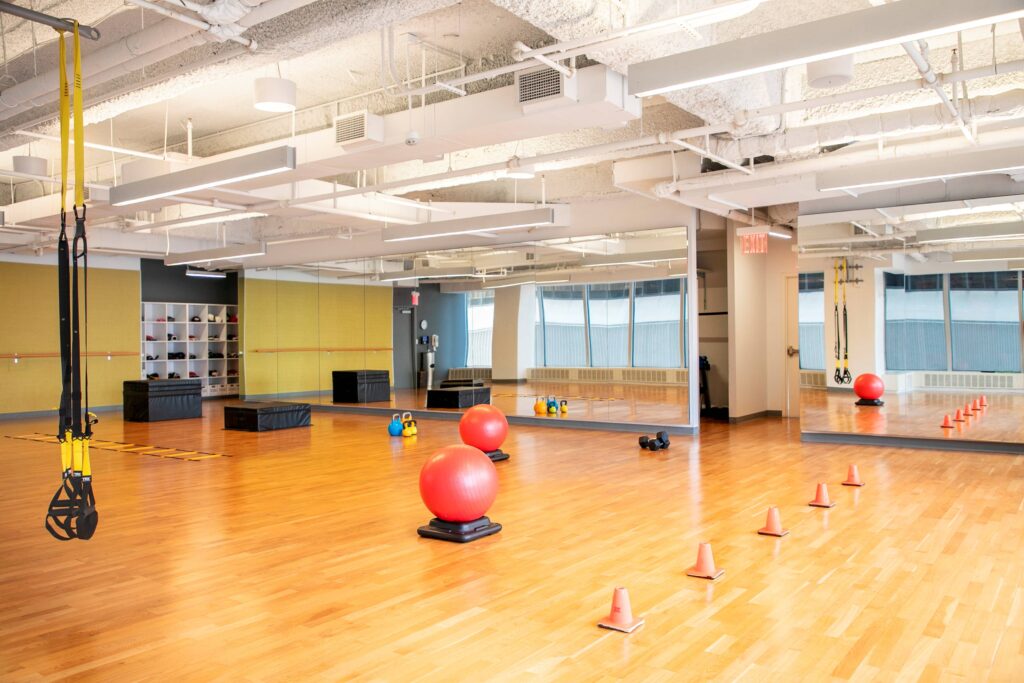
When you do invest in equipment, choose items known for durability and simplicity. Resistance bands, stability balls and foam rollers require minimal maintenance and can support a wide variety of activities. Avoid complex machines that need regular calibration or professional servicing.
Seasonal adaptations
Plan for simple seasonal changes that keep spaces feeling fresh without requiring major overhauls. Different lighting in winter months, fans for summer comfort or rotating available reading materials can maintain engagement throughout the year.
Making wellness spaces a part of your culture
The most effective low-maintenance corporate wellness initiatives are woven into daily routines rather than standing apart as special programs. When wellness spaces feel like natural extensions of your work environment, people use them consistently without thinking of it as “doing wellness.”
Encourage managers to model the behavior you want to see. When leaders take walking meetings or use the quiet space for focused work, it signals that wellness activities are valued parts of the workday rather than personal luxuries that need to be squeezed into break time.
Recognition matters too, but keep it simple. A monthly email highlighting creative ways people are using wellness spaces can inspire others without creating pressure or competition. The goal is making wellness feel accessible and normal, not exceptional or demanding.
Ready to create wellness spaces that work for your team’s real needs and constraints? Our team specializes in designing sustainable workplace wellness solutions that grow with your organization. Contact us to explore options that make sense for your space and budget.