7 Wellness design trends for corporate offices
Today’s most impactful wellness design trends are reshaping workplaces into spaces that actively support employee health, engagement and connection. By integrating thoughtful features, companies are creating a culture where well-being isn’t just encouraged — it’s allowed to thrive.
Corporate wellness facilities have evolved far beyond basic gym equipment and sterile break rooms. Modern workplace wellness spaces reflect a deeper understanding of how physical environments influence mental health, productivity and overall employee satisfaction. Companies are discovering that strategic design choices can make the difference between a wellness program that employees ignore and one they genuinely embrace.
7 Corporate wellness design trends
These innovative approaches go beyond creating healthier, more inspiring environments — they can also help organizations attract and retain top talent:
1. Biophilic design takes center stage
Bringing nature indoors has become one of the most impactful approaches to wellness facility design. Living walls, natural lighting and organic materials create environments that reduce stress and boost creativity. Plants aren’t just decorative elements; they actively improve air quality while providing the psychological benefits of connecting with nature during the workday.
Natural elements work particularly well in meditation spaces and quiet zones. Wood textures, stone accents and water features help create calming environments where employees can decompress and recharge. These design choices support mental health initiatives while creating visually appealing spaces that people actually want to use.
2. Multi-purpose flexibility drives function
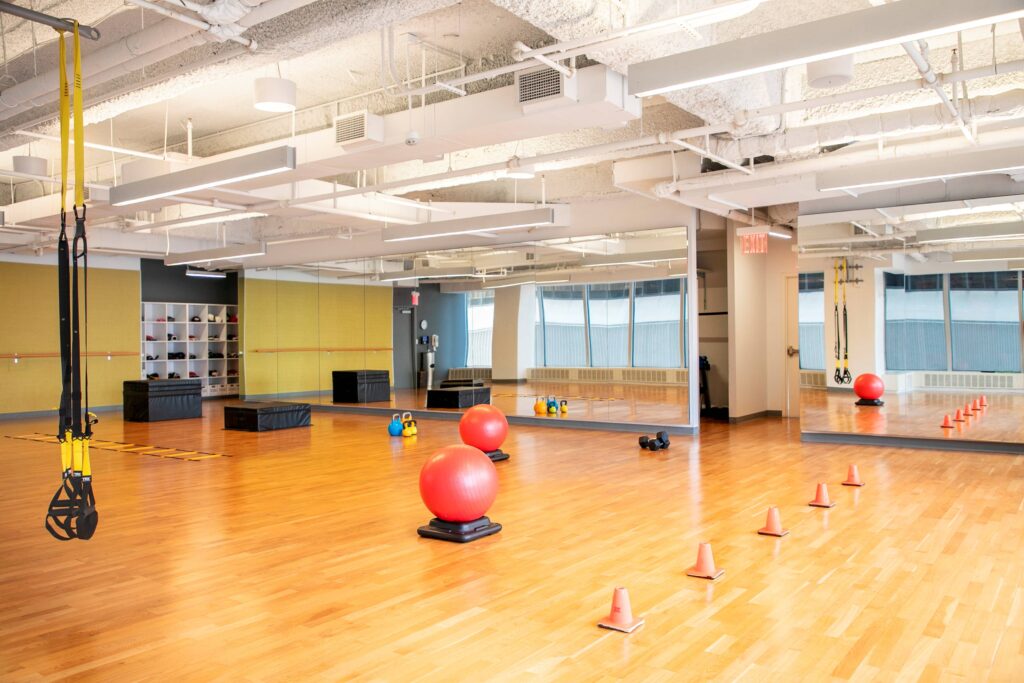
The most successful wellness facilities adapt to changing needs throughout the day. Morning yoga classes can transform into afternoon meditation sessions, while collaborative wellness workshops can transition into individual reflection time. Modular furniture, moveable partitions and flexible lighting systems make this adaptability possible.
Smart storage solutions keep spaces organized while maintaining the clean, calming atmosphere essential for wellness activities. Hidden storage for yoga mats, resistance bands and other equipment ensures that spaces remain clutter-free and inviting. This approach maximizes both functionality and aesthetic appeal.
3. Technology integration enhances experience
Digital wellness tools are seamlessly blending with physical spaces to create more engaging experiences. Interactive displays provide guided workout instructions, meditation apps sync with room lighting to create a soothing ambiance and air quality monitors ensure optimal breathing conditions for all activities.
Wellness design trends increasingly incorporate technology that feels natural rather than intrusive. Bluetooth-enabled sound systems, smartphone-controlled lighting and app-integrated booking systems streamline the user experience without overwhelming the peaceful atmosphere these spaces are meant to provide.
4. Comfort and accessibility drive inclusive design
Universal design principles ensure that wellness facilities serve employees of all abilities and fitness levels. Adjustable-height equipment, accessible pathways and varied seating options create environments where everyone feels welcome and capable of participating in wellness activities.
Comfortable, supportive furniture encourages longer stays and deeper relaxation. Ergonomic seating, temperature control and noise management systems contribute to spaces where employees can truly unwind and focus on their well-being goals.
5. Wellness design trends emphasize mental well-being
Dedicated quiet spaces for reflection and stress management have become essential components of modern wellness facilities. These areas often feature soft lighting, comfortable seating and sound-dampening materials that create peaceful retreats from busy work environments.
Privacy considerations are increasingly important in wellness facility design. Spaces that offer both open collaboration areas and private nooks empower employees to choose how they engage with wellness activities, whether they prefer group energy or quiet, individual reflection.
6. Color psychology influences space planning
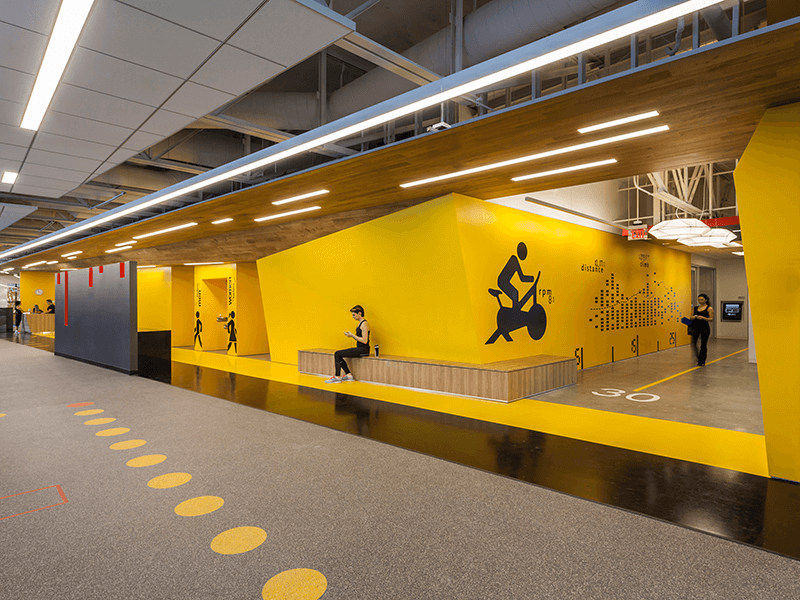
Strategic color choices can significantly impact mood and energy levels in wellness spaces. Calming blues and greens promote relaxation in meditation areas, while energizing oranges and yellows work well in fitness zones. Neutral tones provide balance and prevent sensory overload.
Natural light optimization works hand-in-hand with color psychology to create environments that support circadian rhythms and improve overall well-being. Skylights, large windows and light therapy systems help combat the effects of long indoor work hours.
7. Sustainable materials support company values
Eco-friendly building materials and energy-efficient systems reflect corporate commitment to environmental responsibility while supporting employee health. Low-VOC paints, sustainable flooring materials and energy-efficient lighting systems create healthier indoor environments while reducing environmental impact.
Sustainable design choices often align with biophilic elements, creating cohesive wellness environments that support both personal and planetary health. These decisions demonstrate a company’s values while contributing to employee pride and engagement.
Creating spaces that inspire action
The most effective wellness facilities feel inviting rather than intimidating. Thoughtful design elements like comfortable temperature control and appealing visual elements remove barriers that might prevent employees from participating in wellness activities.
Successful wellness spaces balance professionalism with warmth, creating environments that feel both credible and welcoming. This balance encourages regular use and helps establish wellness activities as a natural part of the workday rather than an add-on obligation.
By applying these top wellness design trends, your wellness facility can become a powerful catalyst for culture change and employee engagement.
Ready to explore strategic design choices that can transform your workplace wellness program? Contact us to discover how Optum Workplace Well-being can help create spaces that truly support your team’s health and happiness.