Workplace wellness design: creating spaces that drive business goals
Your office environment speaks volumes — before you even say a word. Every corner, every lighting choice, every piece of furniture sends a message about what matters most to your organization. When workplace wellness design becomes intentional, it transforms from simple aesthetics into a powerful tool that supports employee health, productivity and engagement.
The physical workspace has evolved beyond traditional cubicles and conference rooms. Smart organizations recognize that thoughtful office wellness design creates environments where people naturally gravitate toward healthier choices. This shift represents more than just adding a few plants or ergonomic chairs — it’s about designing spaces that actively support your wellness initiatives and business goals.
The connection between space and strategy
A well-designed wellness space can reduce stress levels, encourage movement, improve focus and foster collaboration (Arizona State University1). These outcomes directly align with key performance indicators that matter to leadership: reduced absenteeism, lower healthcare costs, improved retention and enhanced productivity.
Consider how your current workspace either supports or undermines your wellness objectives. Are there quiet spaces for decompression? Do natural elements exist throughout the office? Can employees easily access areas designed for physical activity or mindful breaks? These questions help identify gaps between your wellness strategy and the environment meant to support it.
Elements of effective workplace wellness design
Wellness spaces share common characteristics that make them both functional and inviting. Natural light takes priority wherever possible, as it regulates daily rhythms and improves mood. When natural light is limited, full-spectrum lighting solutions can provide similar benefits.
Air quality deserves equal attention. Proper ventilation systems, air purification technology and strategic placement of plants create cleaner, more comfortable breathing environments.
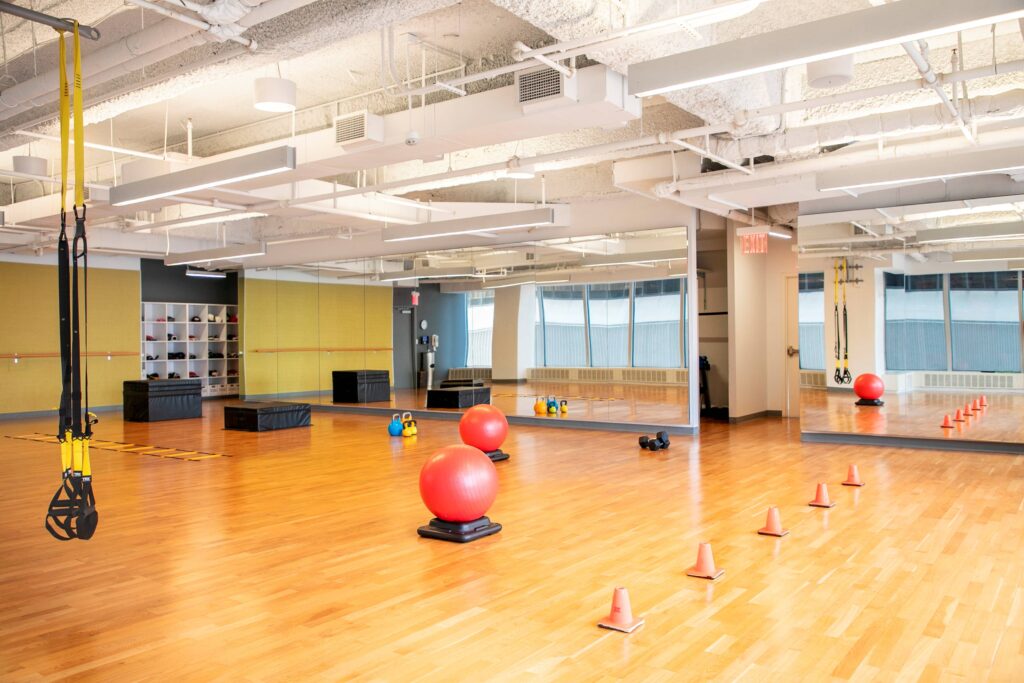
Flexible spaces can accommodate different wellness needs throughout the day. Some employees need quiet areas for meditation or phone calls with healthcare providers. Others benefit from collaborative spaces designed for group fitness activities or wellness workshops. The most effective designs incorporate both private and communal wellness areas.
Designing dedicated wellness room spaces
Purpose-built wellness rooms serve as anchors for your broader wellness strategy. These spaces should feel separate from the typical work environment while remaining easily accessible. Location matters — placing wellness rooms near high-traffic areas like break rooms or restrooms increases utilization without creating disruption.
Multi-functional design maximizes limited square footage. A wellness room might serve as a meditation space during morning hours, a lactation room for new mothers, a quiet area for employees managing health conditions or as a small group fitness space.
Technology integration enhances functionality without overwhelming spaces. Simple additions like dimmable lighting controls, sound masking systems or air quality monitors help create optimal conditions for different wellness activities. Keep technology intuitive as complex systems often go unused.
Integrating wellness throughout the workspace
Wellness design extends far beyond dedicated rooms. Micro-wellness touchpoints throughout the office create a culture where healthy choices feel natural and convenient. Break areas deserve special consideration as informal wellness hubs. These spaces often determine whether employees step away from their desks for proper breaks or eat lunch while continuing to work. Comfortable seating arrangements that encourage conversation, access to healthy food options and elements that promote relaxation can transform break times into genuine restoration periods.
Movement pathways encourage physical activity without requiring dedicated exercise time. Centrally located staircases with attractive design elements, walking paths with interesting visual features and placement of frequently used resources that require brief walks all contribute to increased daily movement.
Measuring success and adjusting
Effective workplace wellness design requires ongoing evaluation and refinement. Employee feedback can provide insights into which spaces get used, which remain empty and what improvements would increase engagement. Regular surveys, focus groups and simple observation can reveal utilization patterns.
Usage data tells part of the story, but employee satisfaction and health outcomes provide deeper insights. Track metrics like reported stress levels, sick days, employee engagement scores and retention rates, along with utilization to understand the broader impact of design decisions.
Flexibility built into the initial design allows for adjustments as needs evolve. What works for your current workforce might not serve future employees or changing wellness priorities. Design choices that accommodate modification — moveable walls, adaptable lighting systems and versatile furniture — support long-term success.
Building support for wellness design investments
Leadership buy-in often requires demonstrating clear connections between space design and business outcomes. Present workplace wellness design as an investment in human capital rather than simply a nice-to-have amenity. Research consistently shows that employees who feel supported in their wellness efforts demonstrate higher engagement, better performance and greater loyalty (American Psychological Association2).
Cost considerations don’t have to derail wellness design initiatives. Many impactful changes require minimal financial investment — rearranging existing furniture to create conversation areas, adding plants for improved air quality or designating quiet zones within existing spaces. Start with low-cost improvements that demonstrate value, then build toward more comprehensive wellness room design projects.
Creating lasting impact
Successful wellness spaces feel authentic to your organization’s culture and values. Consider your employees’ specific needs, preferences and challenges when making design decisions.
Remember that the most beautiful wellness space won’t succeed without proper introduction and ongoing support. Communication about available resources, guidance on how to use different areas effectively, and regular programming that brings people into wellness spaces all contribute to long-term adoption and success.
Your workplace wellness design choices create daily opportunities for employees to prioritize their health and well-being. When these environments feel welcoming, functional and aligned with your wellness strategy, they become powerful tools for creating positive change that extends far beyond the office walls.
Ready to transform your workspace into an environment that actively supports employee well-being? Contact our team to explore how Optum Workplace Well-being can help you design spaces that align with your wellness strategy and business goals.
Sources: