Psychological well-being at work: building for better habits
Your workspace speaks to you before you even realize it. The layout of your office, the placement of that water cooler, the way natural light filters through the windows, these are psychological cues that either support your well-being or work against it. Understanding how to harness the psychology behind wellness layouts can transform your workplace into an environment that naturally encourages healthier habits and supports psychological well-being at work.
The science of space: how environment shapes behavior
Think about your own habits for a moment. You grab coffee from the same spot each morning, take the same route to your desk, maybe stretch in that one corner where the light feels just right. These patterns aren’t accidents; they’re responses to environmental cues that your brain has learned to recognize and follow.
Research consistently shows that our physical environment directly influences our psychological state and behaviors (American Journal of Health Promotion). When workspaces are thoughtfully designed with wellness in mind, employees naturally gravitate toward healthier choices. The key lies in understanding how subtle design elements can guide behavior without feeling forced or artificial.
Natural light exposure, for instance, doesn’t just make spaces look better, it regulates daily rhythms, improves sleep quality and enhances mood. When wellness layouts prioritize access to natural light, employees experience better energy levels throughout the day and improved psychological well-being at work. Strategic placement of collaborative spaces near windows can encourage both social connection and exposure to beneficial natural elements.
Creating movement through intentional design
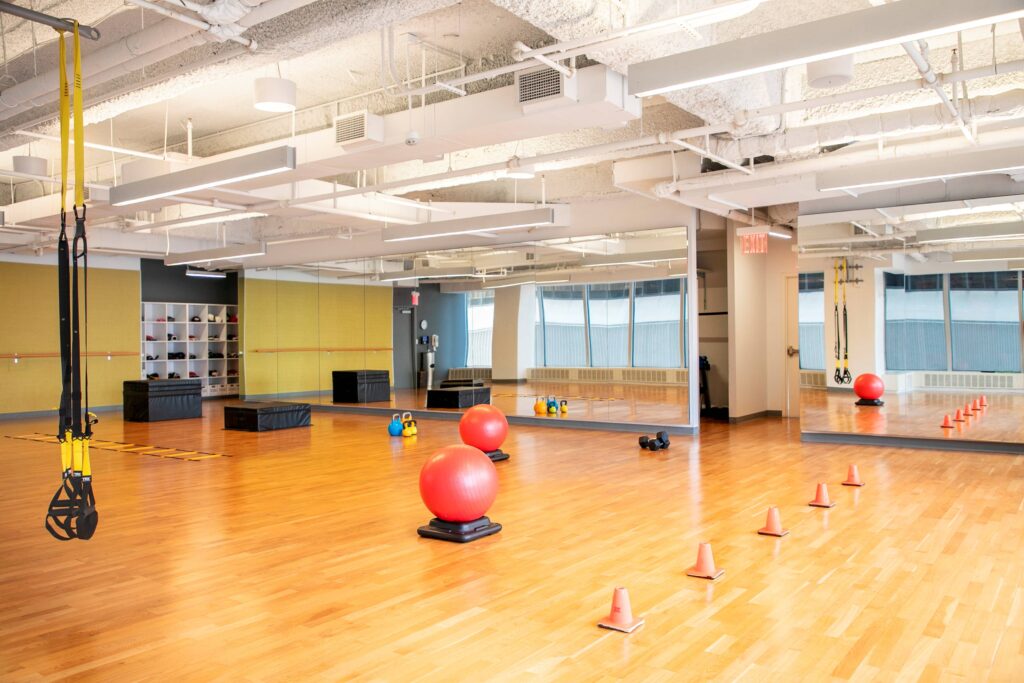
Smart wellness layouts make movement feel effortless rather than burdensome. Instead of relegating physical activity to a separate gym space that employees need to schedule time to visit, effective designs integrate movement opportunities throughout the work environment.
Creating inviting stairwells with good lighting and appealing aesthetics can make taking the stairs feel like a natural choice rather than a chore. Walking paths that connect different areas of the office or lead to outdoor spaces provide options for brief movement breaks that can reset focus and energy.
Wellness layouts that reduce friction for movement while maintaining convenience for essential work tasks create an environment where physical activity becomes seamlessly integrated into the workday.
Designing for mental restoration
Mental fatigue is one of the biggest challenges facing modern workplaces. Wellness layouts that consider psychological needs result in spaces specifically designed for mental restoration and stress recovery. These aren’t just break rooms with uncomfortable chairs, they’re thoughtfully designed environments that support psychological recovery.
Biophilic design elements, such as living plants, natural materials and water features, have been shown to reduce stress hormones and improve cognitive function. Quiet zones with comfortable seating and soft textures provide spaces for decompression. Even small design choices, like using colors that promote calm or creating sight lines to outdoor green spaces, can significantly impact psychological well-being at work.
Variety is essential. People recharge in different ways — some need complete quiet, while others benefit from gentle background activity. A well-designed wellness space offers a range of options, allowing each individual to choose the environment that best supports their personal restoration needs.
The social architecture of well-being
Humans are inherently social creatures and our wellness is deeply connected to the quality of our relationships and sense of community. Wellness layouts that support psychological health recognize this fundamental need and create spaces that naturally encourage positive social interactions.
This might mean designing kitchen areas that comfortably accommodate small group conversations, creating collaborative spaces with flexible seating arrangements or positioning work areas to allow for casual interactions without disrupting focused work. The goal isn’t to force socialization, but to make meaningful connections feel natural and accessible when people are ready for them.
Community gardens, shared cooking spaces or collaborative wellness challenges become more effective when the physical environment supports participation. Integrating these elements into the overall layout makes them part of the natural flow of the workplace rather than arbitrary add-ons.
Making wellness accessible to everyone
The most beautifully designed wellness spaces fall short if they’re not accessible to all employees. True wellness layouts consider diverse needs, work styles and physical abilities from the ground up. This means thinking beyond basic ADA compliance to create spaces that genuinely welcome and support everyone.
Quiet spaces for introverts, dynamic areas for those who think better while moving, accessible routes that don’t feel separate or stigmatizing and flexible furniture that adapts to different body types and preferences all contribute to an inclusive wellness environment.
Accessibility in wellness design also means considering different schedules and work patterns. Spaces and resources should be available and inviting whether someone arrives early, stays late or works non-traditional hours.
Measuring success: what to look for
You’ll know your wellness layout is working when healthy behaviors start to feel automatic. Look for increased use of stairs over elevators, more people taking walking breaks, greater participation in wellness activities and informal feedback about feeling more energized and focused.
When people start scheduling walking meetings without prompting or gather in the designed social spaces, you know the psychology of the layout is supporting their well-being effectively.
Ready to transform your workplace into an environment that naturally supports employee wellness and well-being? Contact our team to explore how Optum Workplace Well-being can help you design spaces that make healthy habits effortless for your people.