Designing for the five pillars of employee wellness
Creating a workplace where people truly thrive requires going beyond traditional wellness programs. The five pillars of employee wellness provide a holistic framework that supports employees every day — not just during open enrollment. When organizations design intentionally across these dimensions, they cultivate environments where people feel valued, supported and empowered to bring their best selves to work.
What are the ‘five pillars of employee wellness’
Think of wellness as a house. Each pillar — physical, mental, financial, social and purpose — serves as a structural beam. When one is weak, the whole structure can feel unstable. But when all five are strong, employees experience greater resilience, engagement and overall satisfaction.
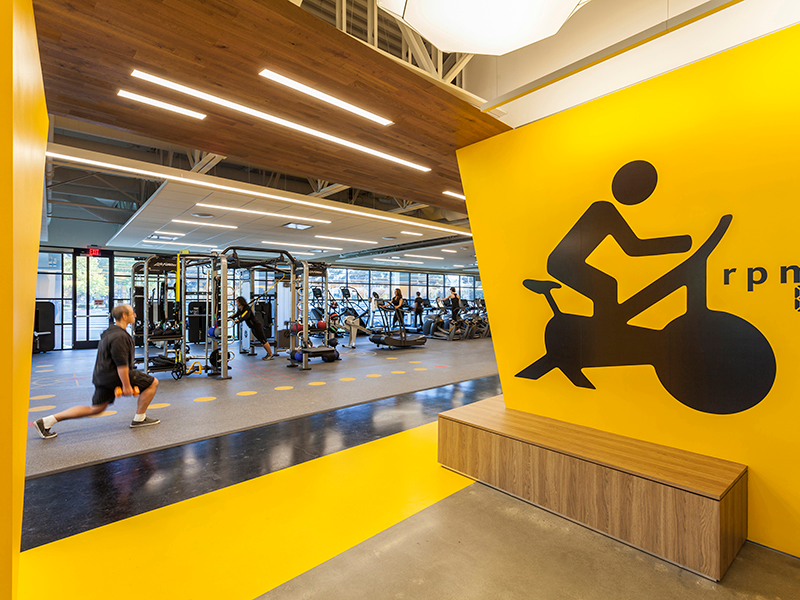
Physical wellness forms the foundation. It’s about helping people take care of their bodies through movement, nutrition, preventive care and rest. Simple offerings like ergonomic workspaces, health screenings and resources for physical activity can make a real difference in how people feel each day.
Mental and emotional wellness focuses on the psychological aspects of well-being. It includes stress management resources, mental health support and opportunities for people to discuss challenges openly. When mental health is given the same attention as physical health, people experience less stigma and feel greater support.
Financial wellness acknowledges that money concerns often keep people up at night. Offering financial education, retirement planning assistance and tools that help employees make informed financial decisions can reduce stress that often spills over into other areas of life.
Social wellness taps into our fundamental need for connection. Creating opportunities for meaningful relationships at work — through team activities, employee resource groups, or thoughtfully designed spaces that invite conversation — builds a sense of belonging that helps people navigate challenging times.
Purpose and career wellness connects people to meaning in their work. By providing development opportunities and a clear internal mobility strategy, organizations help employees see how their contributions matter and where their future lies. Fostering these growth paths creates a sense of engagement that goes far beyond a paycheck.
Why holistic wellness matters
Focusing on just one area of wellness while overlooking the others is like treating a symptom without understanding the underlying cause. Someone burdened by financial stress may find it difficult to prioritize physical health, while an employee who feels disconnected from their purpose might struggle with mental well-being. The five pillars of employee wellness function as an interconnected system — each supporting and strengthening the others.
Organizations that design programs encompassing all five areas see employees who are more resilient, engaged and equipped to handle life’s challenges. This isn’t about offering a longer list of benefits; it’s about creating meaningful pathways to well-being that recognize and support the whole person.
Making wellness work in your organization
Start by listening. What keeps your employees up at night? What would make their lives easier? The answers may surprise you. A team struggling with burnout, for instance, might benefit more from clearer boundaries around after-hours communication than from another meditation app.
Create access points that meet people where they are. Not everyone wants to attend a lunch-and-learn session. Some prefer digital resources they can explore on their own time, while others need personalized, one-on-one support. Variety matters — because people engage with wellness in different ways.
Remove barriers wherever possible. If mental health support exists but feels complicated to access, employees won’t use it. Make every offering easy, clear and approachable.
Integrate wellness into daily work. Employee health shouldn’t feel like something extra to check off a list. When managers model healthy boundaries, when meetings include breaks, and when the culture actively supports self-care, wellness becomes a natural part of how people work — and lasting change follows.
Measuring what matters
Numbers tell only part of the story. Participation rates, health outcomes and engagement scores offer valuable insights — but they don’t capture everything. Pay attention to the qualitative feedback, too. How do employees feel about coming to work? Do they believe the organization truly cares about their well-being? Would they recommend your company to others?
The most effective wellness strategies evolve through continuous learning. Regular check-ins reveal what’s working, what needs adjustment and where new opportunities lie. This isn’t a “set it and forget it” effort — it’s an ongoing commitment to supporting your people.
Embedding wellness into your culture
The pillars of employee wellness are most powerful when they’re woven into the fabric of everyday operations. This means leadership champions well-being in visible, authentic ways. It means policies reflect your commitment to supporting the whole person. And it means having conversations about wellness that feel natural — not forced or awkward.
Small, consistent actions produce the biggest impact over time. A leader who regularly asks, “How are you doing?” and genuinely listens. Team norms that respect personal time. Resources that help people solve real problems. Together, these elements build a culture where employees are able to thrive.
Taking the next step
Designing a wellness strategy around the five pillars of employee wellness isn’t about checking boxes — it’s about cultivating a culture where people feel seen, supported and empowered. At Optum Workplace Well-being, we partner with organizations to create solutions that align with their unique values. Let’s build a workplace where wellness isn’t a perk — it’s the foundation. Reach out to start a conversation, and we’ll help you create a holistic approach to well-being that lasts.