Corporate gym design: creating a healthy workplace environment
Your workplace can become a catalyst for better health and it starts with thoughtful design choices. Corporate gym design has evolved beyond basic exercise equipment to create spaces that inspire movement, build community and support your employees’ complete well-being journey.
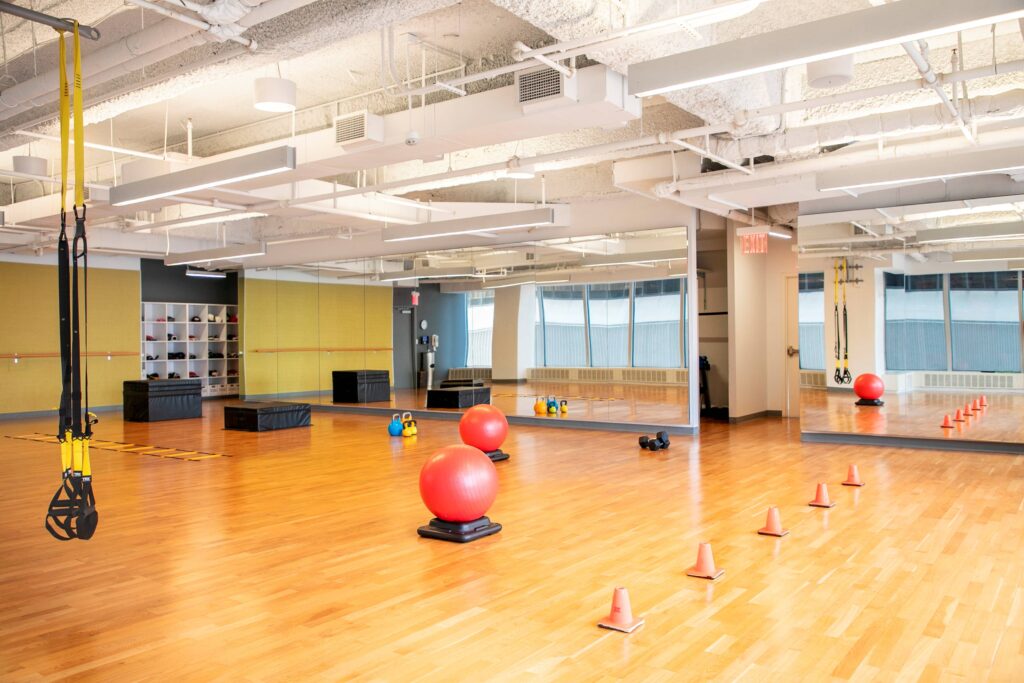
Smart corporate gym design considers every detail that impacts how people feel when they walk through the door. The lighting, layout, and even the color scheme, work together to create an environment where your team genuinely wants to spend time getting stronger and healthier.
Understanding what your employees actually want
The most successful workplace fitness spaces are built by listening to employees’ needs, not by guessing what they might use. Some team members crave high-intensity group classes, while others prefer quiet spaces for yoga or stretching. Others might want functional training areas that help them feel stronger in their daily activities.
Start by asking your people what keeps them from exercising regularly. You might discover that convenience matters more than fancy equipment or that privacy concerns are holding some team members back from participating. These insights result in designs that are as functional as they are striking — spaces people actually use, not just admire.
Designing for different fitness levels and preferences
Your corporate gym design should welcome everyone, from fitness enthusiasts to those taking their first steps toward better health. This means creating distinct zones that serve different comfort levels and exercise preferences.
Consider separating cardio equipment from strength training areas to reduce intimidation factors. Add a dedicated stretching zone with mats and props that feels separate from high-energy workout spaces. Small group training rooms offer privacy for those who prefer guided instruction or want to exercise with a few colleagues rather than in a crowded space.
Natural light can transform how people experience exercise. Position equipment and activity areas near windows when possible and supplement with lighting that mimics daylight throughout the day. This helps regulate energy levels and makes morning or evening workouts feel more natural and enjoyable.
Creating community through thoughtful layout
The best workplace fitness facilities spark connections between colleagues while respecting individual preferences. Open sightlines between different areas let people see various activities without feeling watched during their own workouts.
Include comfortable seating areas where team members can chat before or after exercise sessions. These social spaces often become informal wellness communities where people share tips, celebrate progress and encourage each other. Even simple design elements like a water station or healthy snack area can become gathering points that strengthen workplace relationships.
Your space should flow logically from arrival to departure. Clear lines of sight help people navigate confidently, while separate entrances and exits prevent crowding during peak hours. Consider how someone moves from changing area to workout space to cool-down zone, ensuring each transition feels natural.
Technology integration that enhances rather than overwhelms
Smart corporate gym design incorporates technology that simplifies the exercise experience rather than complicating it. Digital displays showing class schedules, equipment availability or workout suggestions can help people make quick decisions about how to spend their time.
However, avoid over-digitizing spaces meant for stress relief and mental clarity. Some areas benefit from minimal technology, allowing people to disconnect from screens and focus on physical movement. The key is offering choice — high-tech options for those who want them and screen-free zones for those seeking digital detox.
Consider how technology can support different learning styles and fitness levels. Interactive displays might offer exercise demonstrations for beginners, while apps can help experienced users track their progress or book equipment in advance.
Flexibility for changing needs
Your workplace fitness facility should adapt as your organization grows and employee needs evolve. Modular design elements allow you to reconfigure spaces for different activities or group sizes. Moveable partitions can transform one large room into multiple smaller training areas or open up space for company-wide wellness events.
Think about seasonal variations and trending fitness activities. Spaces designed with flexibility in mind can accommodate everything from indoor cycling classes to meditation sessions to health screenings without requiring major renovations.
Storage solutions matter more than you might expect. Well-designed storage keeps equipment organized and accessible while maintaining unobstructed views make spaces feel larger and more inviting.
Supporting long-term engagement
The most effective corporate gym design considers what will keep people coming back month after month. This goes beyond equipment selection to include elements that make exercise feel rewarding and sustainable.
Progress visualization tools, whether digital displays or simple tracking boards, help people see their improvement over time. Recognition areas where achievements are celebrated — safely and respectfully — can motivate continued participation.
Consider how your space can support exercise habits beyond individual workouts. Equipment placement that enables circuit training, designated areas for regular programming like lunch-hour yoga, and spaces that accommodate both solo and group activities all contribute to long-term engagement.
Ready to transform your workplace?
Creating a corporate gym that truly serves your team requires understanding their unique needs and designing spaces that inspire lasting healthy habits. Contact us to explore how Optum Workplace Well-being can help you design a fitness facility that your employees will love to use.