15 workplace wellness challenges to energize your team
Workplace wellness challenges can help employees build healthy habits, strengthen connections and improve overall well-being. When designed thoughtfully, these initiatives become more than activities, they create a culture that supports health and engagement.
The most effective programs meet people where they are. Instead of a one-size-fits-all approach, successful challenges offer flexibility, variety and genuine support. Here are some ideas to inspire positive change.
Why wellness challenges make a difference
Wellness challenges create momentum. They encourage employees to try new habits, whether that’s walking more, improving sleep or managing stress. The social aspect matters too: participating alongside colleagues builds camaraderie and makes healthy choices feel like a shared experience.
Physical wellness challenges
- Step challenges: Simple and inclusive. A University of Stirling study found that even short, four-week step challenges significantly improved physical fitness and mental well-being.
- Fitness class participation: Offer options such as yoga, strength training and cycling to suit different interests and fitness levels.
- Hydration tracking: Help employees understand how staying hydrated affects energy and focus.
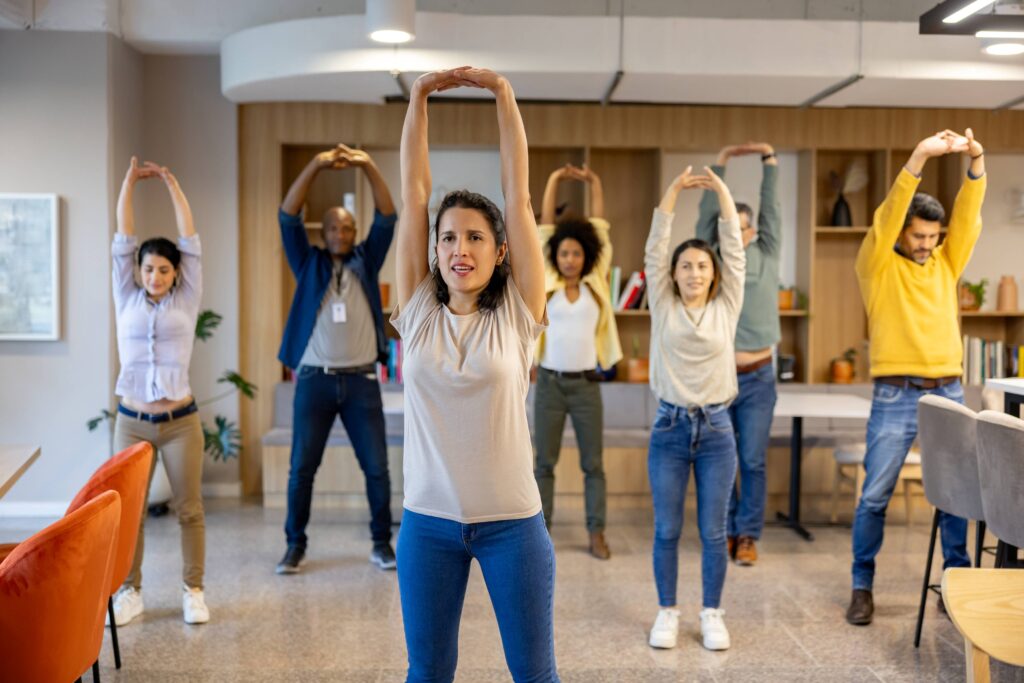
- Active meeting breaks: Encourage walking meetings or stretch breaks between calls.
- Sports leagues: Organize recreational teams for fun and connection.
Mental and emotional wellness challenges
- Mindfulness practice: Introduce meditation or breathing exercises. Research in the Journal of Occupational Health Psychology finds mindfulness improves job satisfaction and attention.
- Digital detox hours: Encourage breaks from screens to reduce stress.
- Stress management workshops: Provide practical tools for handling workplace pressure.
- Connection challenges: Prompt employees to reach out to colleagues they don’t usually interact with.
Nutritional wellness challenges
- Healthy eating goals: Focus on simple habit changes, like adding fruits and vegetables or preparing meals at home.
- Mindful eating practices: Guide employees to eat more intentionally and enjoy their meals.
- Cooking skill-building: Share recipes and tips for healthy eating.
Community and purpose challenges
- Volunteer initiatives: Organize service days or set volunteer hour goals.
- Sustainability actions: Encourage environmentally friendly practices, such as conserving energy and recycling properly.
- Learning and development: Promote growth through reading challenges or skill-building courses.
Making wellness challenges successful
The most effective programs share some key traits:
- Voluntary participation: Remove pressure and let personal interest drive engagement.
- Variety: Offer a range of volunteer options to match diverse preferences and schedules.
- Clear communication: Provide regular updates on goals and employee achievements, keeping information visible without overwhelming staff.
- Recognition: Celebrate effort and improvement — not just results.
Getting started
Start by asking employees what matters most. Begin with one or two initiatives, gather feedback and refine as you go. Pay attention to practical details, such as tracking progress and providing the necessary resources. Above all, create an environment where participation feels inviting, not mandatory.
Wellness challenges work best as part of a broader commitment to employee health. They’re not a substitute for good benefits or a respectful culture, but they can spark positive change that improves both personal lives and workplace engagement.
Take the next step
Ready to build a wellness program that genuinely supports your team? Contact us to learn how Optum Workplace Well-being can help you design challenges that make a meaningful impact on your employees.
Sources: