Wellness-focused facility design strategy: making health initiatives part of your workspace
Walk into most office buildings and you’ll notice something: the conference rooms are easy to spot, and the break rooms are well-stocked. But wellness spaces? They’re often missing. Many organizations invest in comprehensive health programs without considering how their physical environment actually supports those initiatives. The result Is predictable — strong intentions impaired by weak engagement.
A wellness-focused facility design strategy flips that dynamic. When your workspace naturally encourages healthy choices, participation becomes effortless. People don’t need extra motivation when the healthy option is also the convenient one.
Why your facility matters more than you think
The spaces we work in quietly shape our decisions every day. Hidden staircases sit empty, while elevators stay busy. Break rooms filled with vending machines become the default choice. And meeting rooms without natural light sap energy before conversations even begin.
Your facility sends a message about your priorities. If wellness spaces feel like an afterthought, employees notice. But when healthy options are visible, convenient and easy to access, those small choices start to compound — boosting engagement and well-being. Thoughtful design isn’t just about aesthetics; it creates the conditions where wellness programs can genuinely thrive.
Create spaces that encourage movement
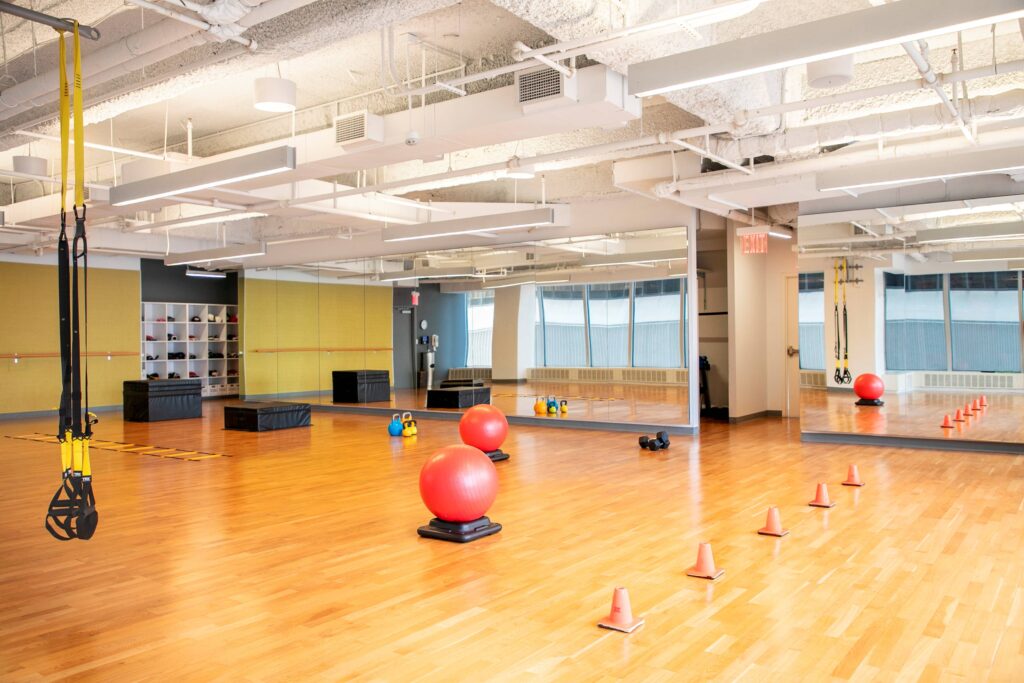
Movement doesn’t require a full-scale gym. Smart design choices can weave activity naturally into the workday. Bright, inviting stairwells to become a real alternative to elevators. Clear signage transforms hallways into walking routes. Standing desks offer employees flexibility and support healthier work habits.
Consider how people move through your space. Could printers be spaced farther apart? Are there easy opportunities to encourage a few more steps? These micro-movements add up and a wellness-focused design approach ensures every step count.
And don’t overlook outdoor areas. When weather permits, walking trails or patio seating can turn lunch breaks into active breaks. Even a simple, well-maintained loop around your building can give employees a reason to step outside and reset.
Design break spaces that support better choices
Break rooms often default to convenience over nutrition, but these spaces can support wellness goals without feeling restrictive. Stock refrigerators with fresh fruit alongside other options, make water stations prominent and inviting, and create comfortable seating areas that encourage people to step away from their desks.
Layout matters. When healthy options sit at eye level and within easy reach, people choose them more often. This doesn’t mean removing all treats — it’s about designing spaces where nutritious choices are just as accessible as any other option.
And don’t underestimate the impact of natural light. Break areas should feel restorative, not institutional. Plants, comfortable furniture and views of the outdoors help transform a simple break into a meaningful moment to recharge.
Build quiet zones for mental wellness
Mental health needs physical space. Quiet rooms or meditation areas offer employees a place to decompress without leaving the building. These spaces don’t need to be elaborate — a small room with comfortable seating, soft lighting and a door that closes can provide welcome relief on stressful days.
Sound management matters as well. Thoughtful use of acoustic panels and other sound-absorbing materials reduces ambient noise across the office, supporting focus and easing the mental fatigue that comes from constant background chatter.
Private spaces for confidential health conversations matter too. Telehealth calls or discussions with wellness coaches require privacy. Designating spaces for these interactions removes a significant barrier to participation in your wellness-focused facility design strategy.
Let light and air quality work for you
Natural light influences far more than mood. It regulates sleep cycles, boosts energy and supports overall well-being. Whenever possible, make sure employees have access to windows. And when natural light is limited, use high-quality artificial lighting that mimics daylight patterns as a supplement.
Air quality is another often-overlooked factor in wellness discussions. Poor ventilation can cause headaches, fatigue and reduced concentration. Regular HVAC maintenance, indoor plants and proper filtration systems create a healthier environment — often in ways people can feel even if they can’t pinpoint why.
Temperature control also matters. Providing individual thermostats or zone-based controls recognizes that comfort varies from person to person. Feeling consistently too hot or too cold creates subtle, ongoing stress that works against other wellness efforts.
Make wellness visible and accessible
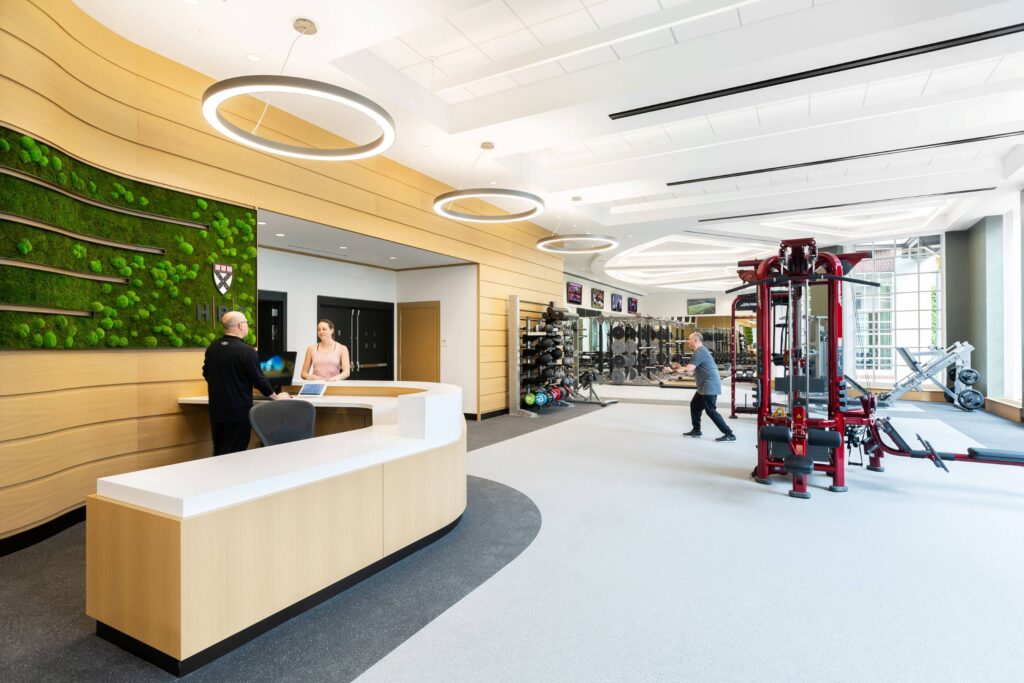
When wellness resources hide in basements or require special access, usage drops. Place fitness equipment where people can see it. Put health information displays in high-traffic areas. Create designated wellness zones that employees encounter as part of their everyday routine.
Accessibility goes beyond location. Equipment and spaces should support a range of abilities and fitness levels. Not everyone begins at the same level and your facility design should reflect that reality.
Signage also plays an important role. Clear wayfinding to wellness spaces and programs keeps these resources top of mind. Simple visual cues can encourage healthy behaviors without feeling pushy or prescriptive.
Turn design into lasting change
Physical updates lay the groundwork but pairing them with strong programming is what makes those changes meaningful. Your environment should support scheduled activities — like yoga classes or walking groups — while also encouraging spontaneous healthy choices throughout the day.
The most effective approaches blend facility design with organizational culture. When leaders actively use wellness spaces, others take notice. And when healthy design becomes part of the everyday experience, it stops feeling like a program and starts feeling like the way work naturally happens.
Measurement is essential. Track which spaces are used and which remain empty. Collect feedback to identify barriers and opportunities. Let real behavior — not assumptions — guide how your facility evolves.
Ready to create a workspace that makes wellness natural? Optum Workplace Well-being can help you develop strategies that turn your facility into a wellness asset. Connect with our team to explore what’s possible for your organization.