Corporate wellness vs. office gym: what’s the difference and why it matters
Supporting employee health is a priority for many organizations, but not all approaches are created equal. While office gyms offer a space for physical activity, corporate wellness programs take a broader, more holistic approach to well-being. Understanding the difference can help organizations make smarter choices that genuinely support their people.
What an office gym does and doesn’t offer
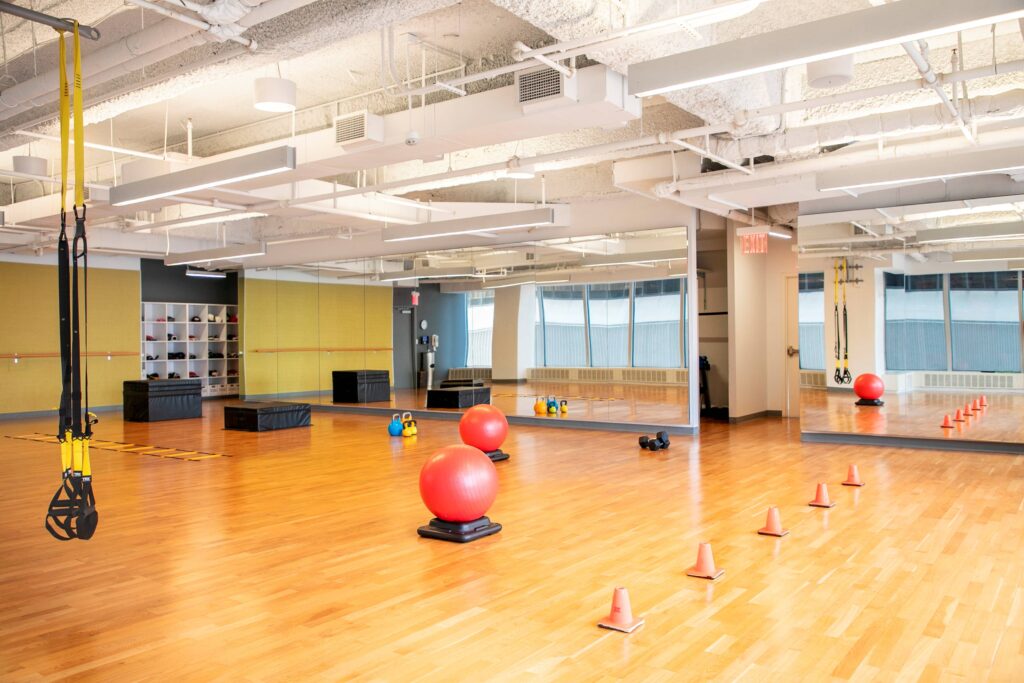
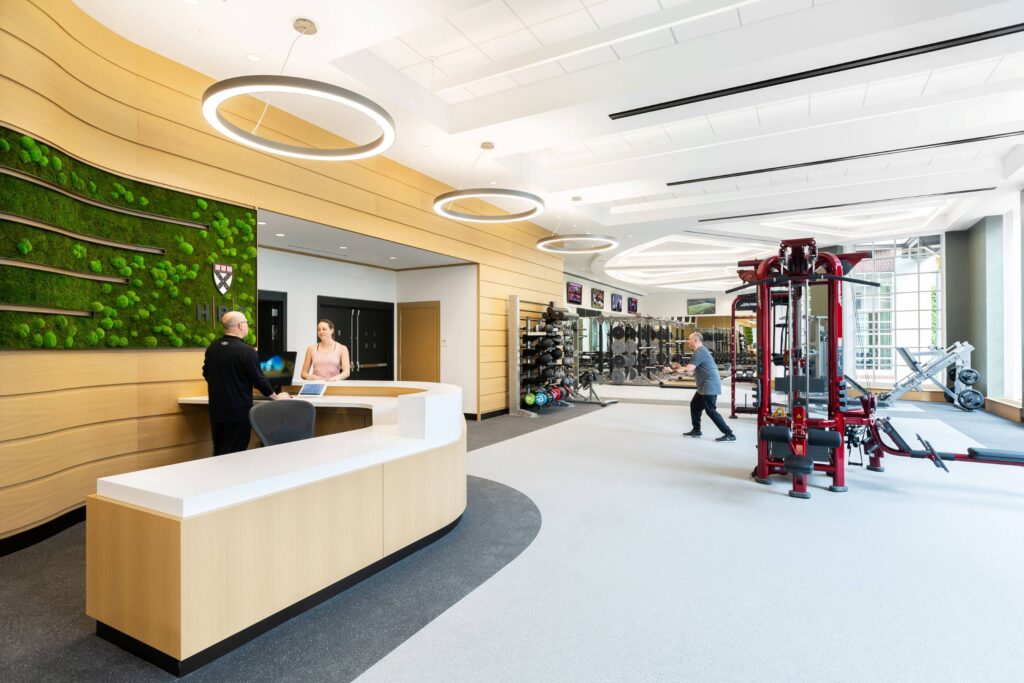
An office gym provides on-site access to exercise equipment — treadmills, weights, yoga mats and more — making it easier for employees to fit physical activity and workouts into their day.
This setup can be especially helpful for those who enjoy traditional exercise, and it signals that the organization values fitness. However, it’s important to recognize its limitations.
An office gym doesn’t:
- Support mental health needs
- Offer guidance on nutrition or sleep
- Help manage chronic conditions
- Foster connection among employees with different wellness preferences
How corporate wellness takes a broader view
Corporate wellness programs are designed to support the whole person — physically, mentally, socially and emotionally. They extend beyond fitness to offer:
- Mental health resources
- Stress management tools
- Nutrition and sleep support
- Preventive care
- Opportunities for social connection
- Personalized coaching and assessments
These programs meet employees where they are, providing flexibility and choice. They recognize that well-being is multifaceted and that every person’s path to health is unique.
Why one size doesn’t fit all.
Not everyone wants — or is able — to use a gym. Some prefer walking outdoors, practicing mindfulness or engaging in creative activities. Others may require accommodations due to injury, chronic conditions or caregiving responsibilities.
Corporate wellness programs provide inclusive support, helping employees find what works best for them. This flexibility is essential for fostering lasting, meaningful change.
What drives sustainable well-being
A gym alone doesn’t create a culture of health. Equipment often goes unused when people feel overwhelmed, unsupported or disconnected.
Real, lasting change happens when well-being is fully embedded into the workplace culture. This includes:
- Flexible schedules that allow time for self-care
- Leadership that models healthy behaviors
- Resources that address real-life barriers
- Programs that foster connection and community
Corporate wellness programs provide the structure and support needed to make well-being a natural, integrated part of the workday.
Making well-being accessible to all
Office gyms can be limiting — particularly for remote employees or those who feel uncomfortable in gym settings. Corporate wellness programs, on the other hand, are designed to be inclusive and accessible:
- Digital tools that support employees anytime, anywhere
- Resources tailored to different needs and abilities
- Access for everyone, regardless of location or role
This inclusive approach is increasingly important as workplaces become more distributed and diverse, ensuring that well-being truly reaches every employee.
Considering the financial impact
Office gyms require significant investment — including space, equipment, maintenance and staffing — yet utilization often falls short of expectations.
By contrast, corporate wellness programs tend to deliver stronger returns, such as:
- Lower healthcare costs
- Reduced absenteeism
- Increased engagement and productivity
These programs create value across the organization, reaching beyond employees who participate in traditional exercise to benefit everyone.
Building a strategy that works for your team
The goal isn’t to pick one approach over the other — it’s to create a strategy that truly meets your team’s needs. Some organizations combine fitness options with broader wellness initiatives, while others focus entirely on comprehensive programs.
What matters most is listening to your people:
- Ask what they need
- Review employee engagement data
- Design solutions that align with your culture
Creating meaningful support
Optum Workplace Well-being partners with organizations to build comprehensive wellness strategies that go beyond one-size-fits-all solutions. Our approach emphasizes:
- Personalized support
- Meaningful resources
- Tools that adapt to individual needs
Well-being isn’t measured by the number of amenities or equipment — it’s about providing people with what they truly need to thrive.
Ready to explore what workplace well-being could look like for your organization? Let’s connect to start building a strategy that supports your people — wherever they are, and whatever their wellness journey looks like.