Functional fitness space design: How to create beautiful, durable workplace wellness areas
Creating effective workplace fitness spaces requires more than simply purchasing equipment and designating a room. Successful functional fitness space design unites aesthetics and durability to enhance the workplace and serve employees for years to come.
Modern organizations recognize that employee wellness directly impacts productivity, retention and company culture. The challenge lies in designing fitness spaces that employees actually want to use — spaces that feel inviting and professional while standing up to daily wear-and-tear from diverse user groups.
The foundation of effective workplace fitness design
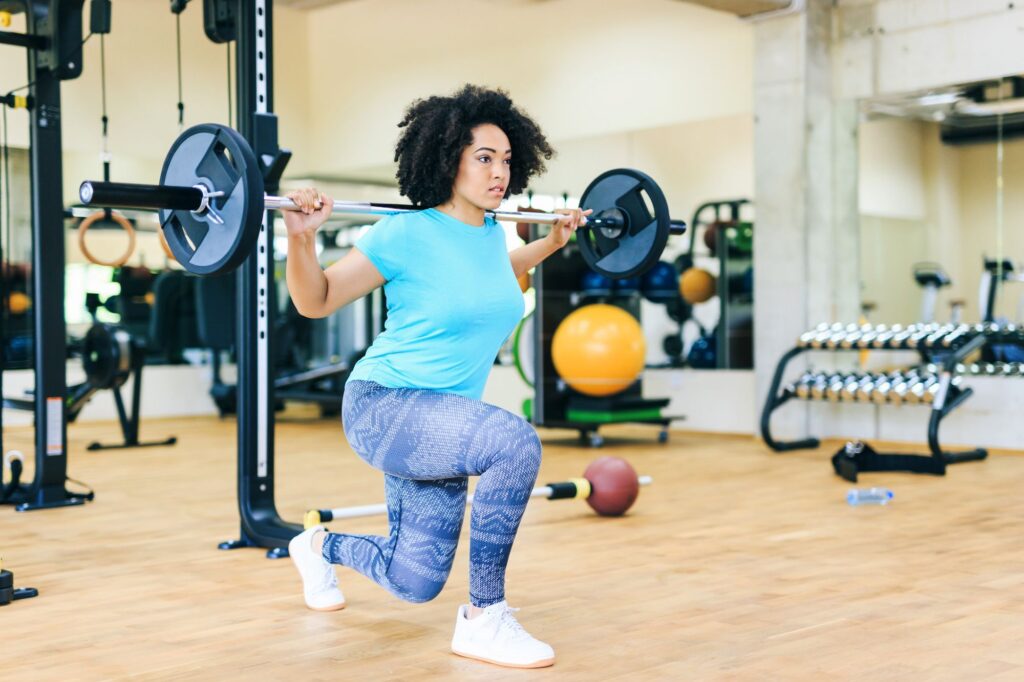
Designing successful workplace fitness areas starts with understanding how employees will actually use the space. High-traffic zones need different considerations than specialized training areas. Popular equipment like treadmills and free weights require robust flooring solutions, while yoga and stretching zones benefit from softer, more comfortable surfaces.
Lighting plays a crucial role in both functionality and ambiance. Natural light energizes users and reduces the institutional feel many workplace gyms develop over time. Large windows or skylights create an open atmosphere, while strategically placed artificial lighting ensures safety during equipment use and early morning or evening workouts.
Storage solutions can often determine whether a fitness space feels organized or chaotic. Built-in storage for personal items, cleaning supplies and smaller equipment keeps the area tidy and professional. Custom storage solutions that complement the overall design aesthetic maintain the visual appeal while serving practical needs.
Choosing materials that balance beauty and longevity
Durability doesn’t mean sacrificing visual appeal. Today’s commercial-grade materials offer both resilience and style. Rubber flooring comes in attractive patterns and colors while providing the shock absorption necessary for high-impact activities. Luxury vinyl planks designed for commercial use offer the warmth of wood appearance with superior moisture resistance and easy maintenance.
Wall treatments deserve special attention in fitness environments. Impact-resistant materials prevent damage from equipment while soundproofing considerations keep noise from disrupting nearby work areas. Decorative acoustic panels serve dual purposes, controlling sound while adding visual interest through color and texture variations.
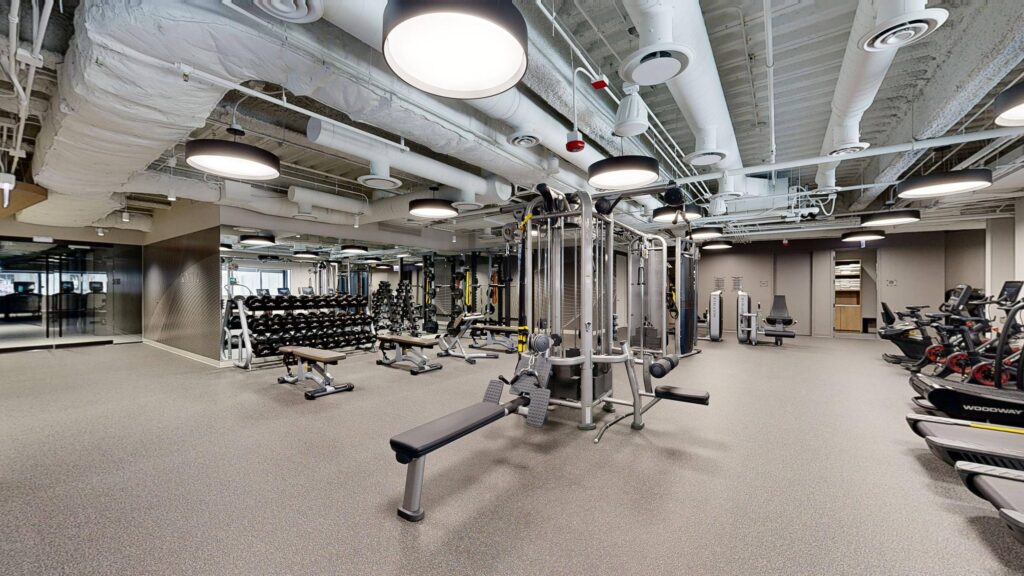
Equipment selection significantly impacts both a space’s functionality and aesthetic appeal. Modern fitness equipment manufacturers understand the importance of design, offering sleek profiles and customizable color schemes that integrate seamlessly with professional environments. Choosing equipment with consistent design languages creates cohesive visual flow throughout the space.
Functional fitness space design principles for maximum impact
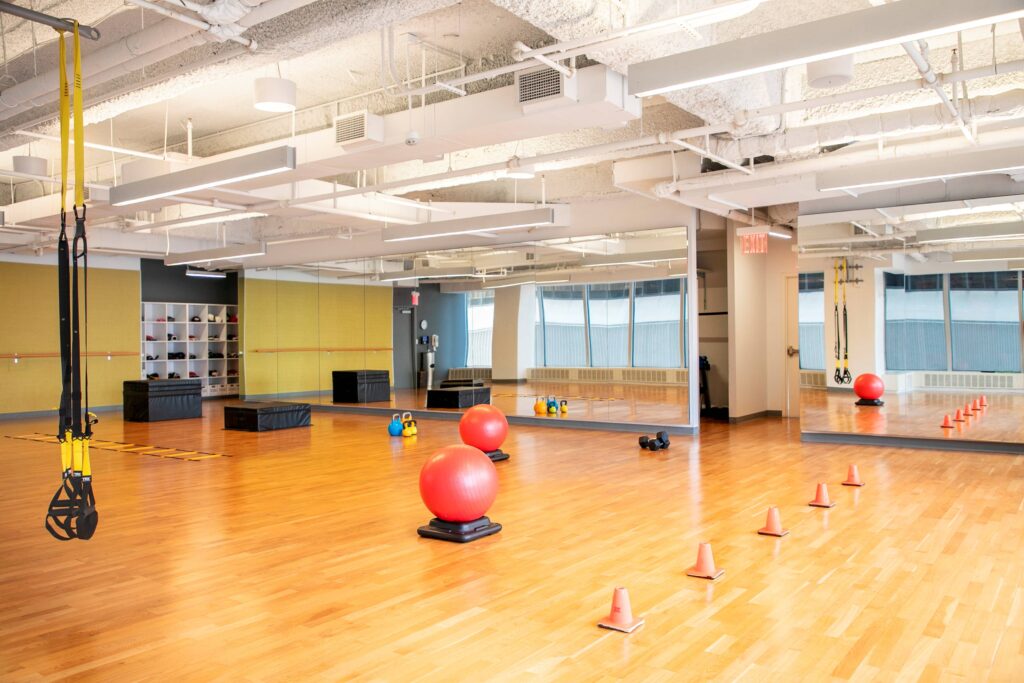
Successful fitness space layouts follow clear circulation patterns that prevent congestion and safety hazards. Separate zones for cardiovascular equipment, strength training and flexible-use areas allow multiple activities to occur simultaneously without interference.
Flexibility remains paramount in workplace fitness design. Modular equipment and moveable elements allow spaces to adapt to changing employee preferences and program offerings. What serves as a group fitness area during lunch hours can transform into individual training space during off-peak times.
Technology integration enhances both functionality and user experience. Built-in sound systems, charging stations and digital displays for virtual classes or wellness information keep spaces current and engaging. However, technology should enhance rather than dominate the design aesthetic.
Climate control systems specifically designed for fitness environments maintain comfort while managing humidity and air quality. Proper ventilation prevents odors and maintains air freshness, contributing to both user comfort and equipment longevity.
Creating inclusive spaces that welcome all users
Effective workplace fitness areas accommodate diverse user needs and fitness levels. Universal design principles ensure accessibility for employees with varying physical abilities. Clear sight lines throughout the space promote safety and comfort for all users.
Equipment variety supports different exercise preferences and physical capabilities. Combining traditional gym equipment with functional training tools, stretching areas and quiet zones for meditation or recovery creates comprehensive wellness environments.
Cultural considerations influence design choices in diverse workplaces. Some employees prefer private changing areas, while others value the community aspects of group fitness. Successful designs provide options that respect different comfort levels and cultural preferences.
Maintenance strategies that preserve design integrity
Beautiful fitness spaces require ongoing maintenance strategies that preserve both appearance and functionality. Commercial-grade materials simplify cleaning routines while maintaining professional appearance. Easy-to-clean surfaces and antimicrobial treatments address hygiene concerns without compromising design elements.
Regular equipment maintenance schedules prevent safety issues while extending equipment lifespans. Well-maintained equipment continues to look professional and function properly, supporting the overall design aesthetic long after installation.
Replacement planning ensures spaces remain current and appealing. Building relationships with equipment manufacturers and design professionals facilitates updates and improvements that maintain the space’s original vision while incorporating new technologies and trends.
Measuring success in workplace fitness design
The best workplace fitness environments demonstrate their effectiveness through employee engagement metrics. Usage data, employee feedback and participation rates in wellness programs provide concrete evidence of design success. Regular surveys help identify areas for improvement and guide future design decisions.
Cost-effectiveness extends beyond initial installation to include operational efficiency and employee satisfaction. Well-designed spaces reduce maintenance costs while increasing employee engagement with wellness initiatives. This combination delivers measurable return on investment through improved employee health outcomes and reduced healthcare costs.
The most successful functional gym design implementations adapt over time based on employee feedback and changing organizational needs. Regular assessment ensures these valuable workplace amenities continue serving their intended purposes while maintaining their professional appearance and appeal.
Transform your workplace with expert design solutions
Creating fitness spaces that successfully balance form and function requires careful planning and professional expertise. Optum Workplace Well-being specializes in developing comprehensive wellness solutions that enhance employee health while supporting organizational goals. Contact our team to explore how thoughtful fitness space design can transform your workplace wellness initiatives.