Wellness architecture design: creating spaces that support your team’s well-being
Wellness architecture design has emerged as a powerful approach to creating environments that naturally support employee health, productivity and happiness. When thoughtfully integrated into a building’s design, wellness spaces become more than amenities ─ they become essential elements that enhance how your team feels and performs every day.
The connection between our physical surroundings and well-being is more profound than many realize. Natural light pouring through thoughtfully positioned windows can elevate mood and energy. Open areas with good acoustics encourage collaboration, while quiet zones offer essential moments of relief. Together, these design features cultivate workplaces where people genuinely enjoy spending their time.
The foundation of wellness architecture design
Creating wellness spaces that feel integrated rather than added-on requires careful consideration of your existing architecture. The most successful wellness environments flow naturally from the building’s design, using similar materials, colors and spatial relationships that already exist in your workplace.
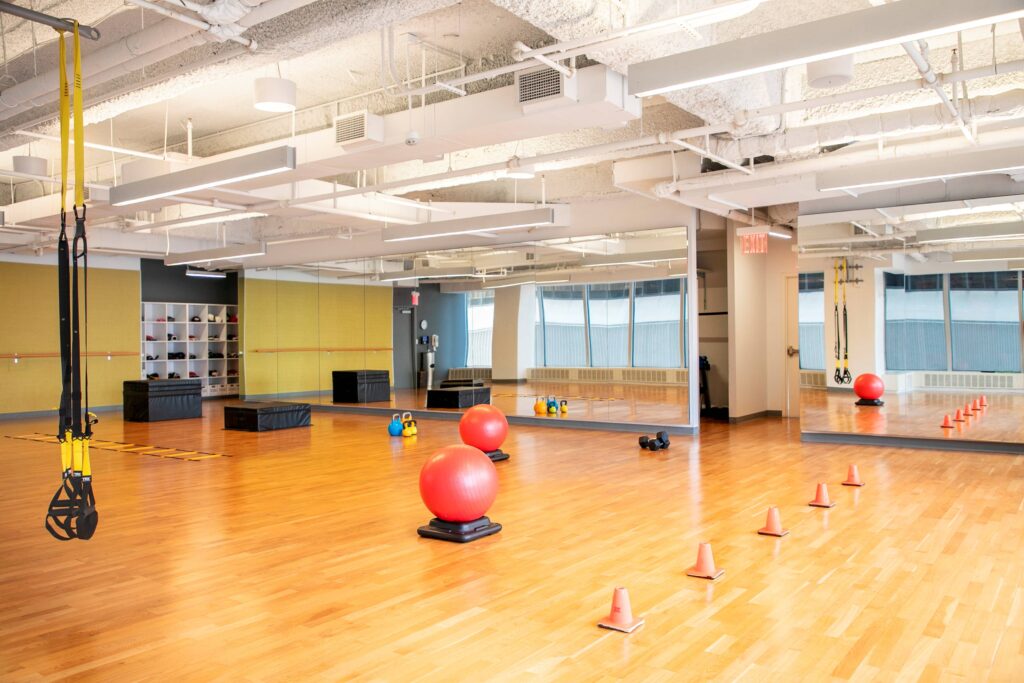
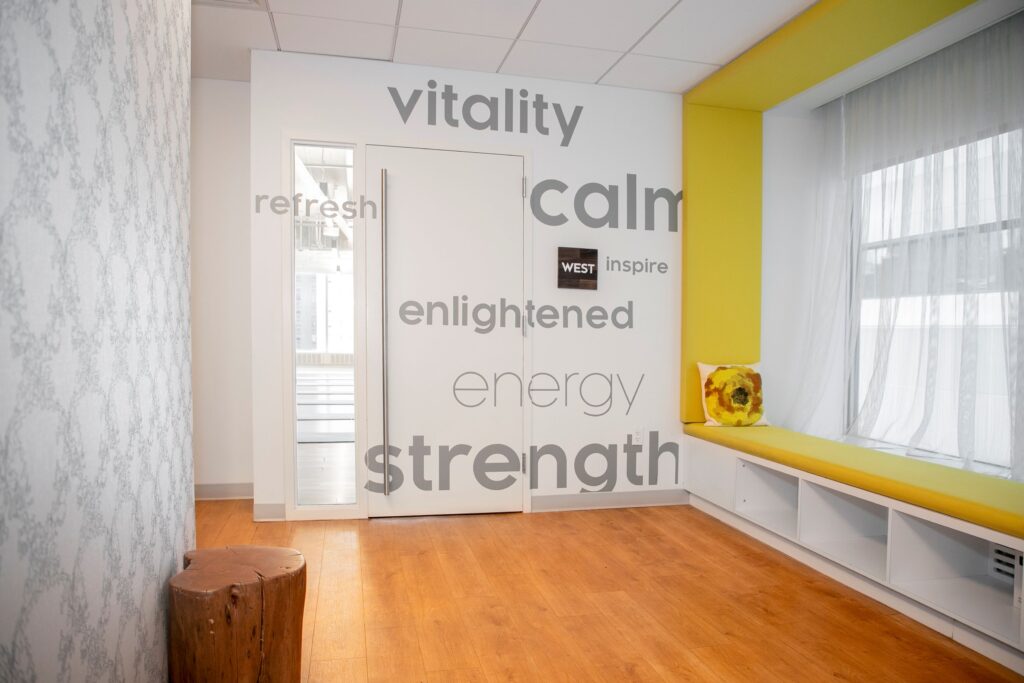
Consider how wellness features can enhance rather than compete with the current layout. A meditation room can share design elements with your main workspace while offering the tranquility people need to recharge. Similarly, fitness areas can complement your building’s aesthetic through thoughtful material choices and lighting design.
The key lies in understanding that wellness architecture design is about weaving well-being considerations into every aspect of your space planning.
Designing for natural movement and flow
Movement happens naturally when spaces are designed to encourage it. Centrally located staircases with appealing design elements draw people away from elevators. Walking paths that connect different work areas create opportunities for spontaneous collaboration and gentle exercise throughout the day.
Circulation patterns matter more than you might think. When wellness spaces are positioned along natural traffic flows, they become part of daily routines rather than special destinations. A stretching area near the main entrance allows team members to start or end their day with movement. Quiet reflection spaces placed between high-activity zones create natural stopping points for mental breaks.
Smart space planning also considers how different wellness activities complement each other. Active spaces benefit from proximity to changing areas and water fountains. Quiet zones work best when separated from high-traffic areas by thoughtful buffer zones or sound-absorbing design elements.
Integrating biophilic elements seamlessly
Nature has a remarkable ability to reduce stress and improve cognitive function. Bringing natural elements into your workspace doesn’t require a complete renovation. Small changes can create significant impact. Living walls can serve as both air purifiers and visual focal points. Water features provide gentle sound masking while creating a sense of calm.
Natural materials like wood, stone and plants connect people to the outdoors even when they’re inside. These elements can be incorporated through furniture choices, accent walls or decorative features that align with your existing design scheme. The goal is to create subtle, authentic connections to nature that integrate seamlessly with your space rather than feeling like forced additions.
Lighting plays a crucial role in supporting daily rhythms and overall well-being. Maximizing natural light through strategic window placement and using lighting systems that self-adjust throughout the day helps maintain energy levels and sleep patterns.
Technology integration that enhances rather than dominates
In today’s wellness spaces, technology integration works best when it gently supports health goals without adding digital stress. Air quality monitors can automatically adjust ventilation systems to maintain optimal conditions. Booking systems for wellness rooms ensure equitable access while preventing scheduling conflicts.
Smart lighting systems that respond to occupancy and time of day create comfortable environments automatically. Sound masking technology helps maintain privacy in quiet zones while active areas might benefit from systems that support group activities or fitness classes.
The best wellness architecture design uses technology as an invisible support system rather than the main attraction. People should notice the positive effects, such as better air quality, perfect lighting, comfortable temperatures without being aware of the systems creating these conditions.
Creating flexibility for changing needs
Your team’s wellness needs will evolve over time and your spaces should be able to adapt accordingly. Modular furniture systems allow rooms to transform from yoga studios to meeting spaces. Moveable partitions can adjust room sizes based on activity requirements.
Storage solutions that hide equipment when not in use help maintain clean, uncluttered aesthetics. Built-in features like sound systems, projection capabilities or specialized flooring provide functionality without compromising design flexibility.
Planning for adaptability from the beginning ensures your wellness spaces remain relevant and useful as your organization grows and changes. This forward-thinking approach protects your investment while supporting long-term employee satisfaction.
Measuring success through user experience
The most beautiful wellness spaces mean nothing if people don’t use them. Regular feedback from your team helps identify what’s working and what could be improved. Simple observation can reveal usage patterns and help optimize scheduling or layout adjustments.
Success metrics might include utilization rates, employee satisfaction scores or even health outcomes like reduced sick days or improved stress levels. The most meaningful measure, however, is whether people feel genuinely supported by their work environment.
Architectural wellness design succeeds when it becomes invisible. When spaces feel so natural and supportive that people can’t imagine working anywhere else. This seamless integration of wellness and architecture creates environments where both productivity and well-being flourish together.
Ready to transform your workplace into a wellness-focused environment? Connect with our team to explore how thoughtful design can support your organization’s well-being goals. Contact us to start your wellness architecture journey.